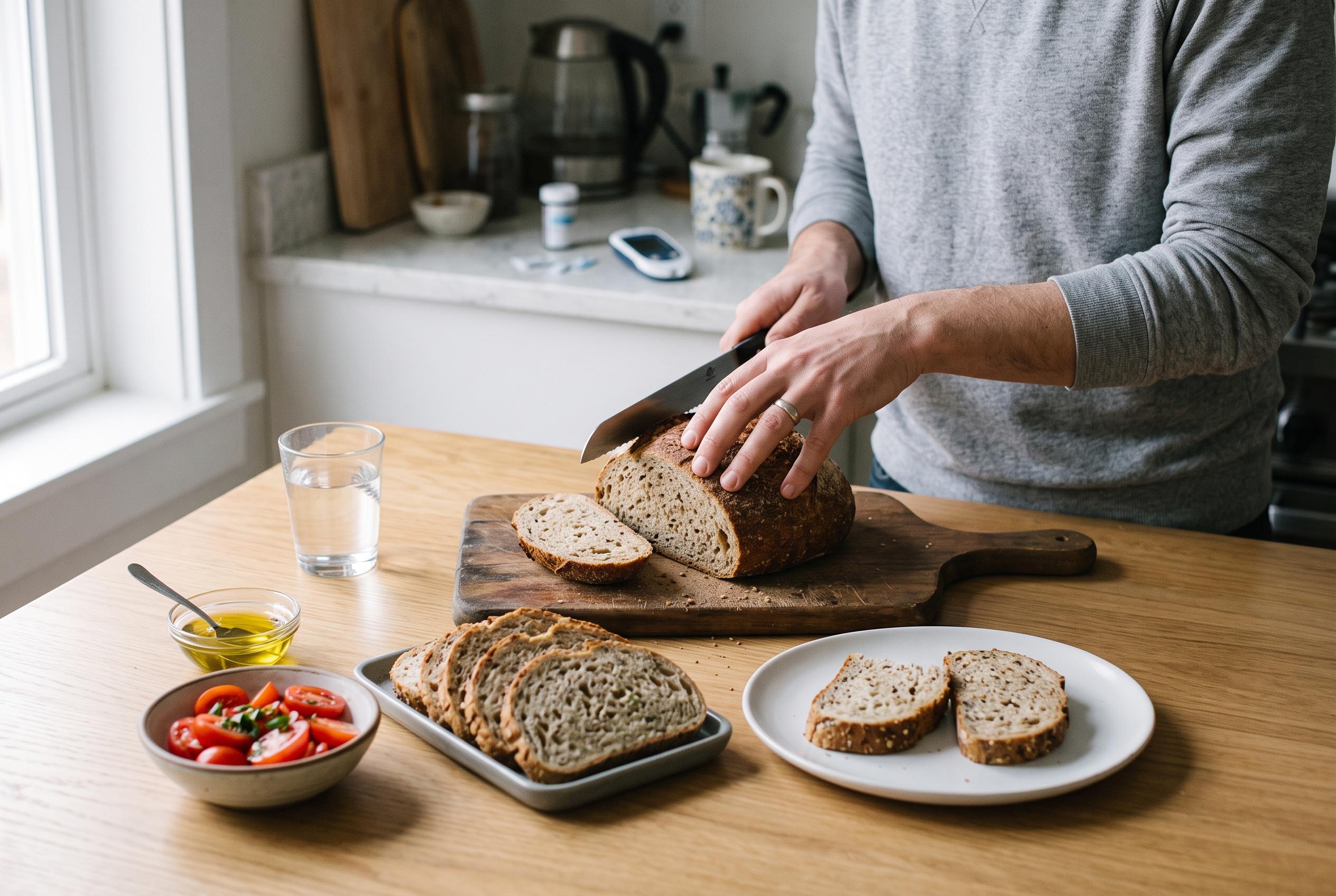

Expert advice underscores the importance of choosing whole grains, sprouted, and sourdough breads to support blood sugar control and satiety within a balanced diet.
Bread can still fit into a weight-conscious diet, provided the loaf on the counter is doing more than simply filling a sandwich. The Woman’s World roundup, drawing on advice from doctors and dietitians, argues that the best options tend to be those with more fibre, more protein and fewer refined grains, all of which can help blunt hunger and keep blood sugar on a steadier path.
Among the strongest choices are 100% whole-grain breads, which experts say offer more fibre and nutrients than white bread. Sprouted-grain loaves, such as Ezekiel-style breads, go a step further because the grains are germinated before milling, a process that can make nutrients easier to absorb. The publication also cites research suggesting sprouted bread may be especially helpful for blood sugar control.
Sourdough earns a place on the list too, particularly when made with whole wheat. Several nutrition outlets, including Healthline and Health Canal, have highlighted sourdough’s lower glycaemic impact compared with standard white bread. That slower effect on blood sugar matters because rapid spikes can leave people hungry again sooner. For some readers, the appeal is not just metabolic: sourdough’s longer fermentation is also thought to make it easier to digest.
Protein bread and lower-carb keto-style breads round out the more aggressive weight-loss options. Woman’s World points to homemade whey-enriched loaves and commercial high-protein products as ways to raise satiety without giving up bread entirely. Good Housekeeping has similarly pointed readers towards store-bought breads with stronger nutrition labels, while Prevention says breads with at least 3 grams of fibre per slice are a useful benchmark. The common thread is simple: check the label carefully, because some products marketed as healthy still contain plenty of calories or added sugar.
Rye and pumpernickel also remain solid choices, especially when the bread is genuinely whole grain and not sweetened with molasses or sugar. Yahoo Health notes that dietitians often favour these darker breads because they can be more filling and gentler on blood sugar. The practical advice from the experts is consistent across the board: keep portions moderate, pair bread with protein or healthy fat, and look for loaves that list whole grains first and provide meaningful fibre. In other words, bread is not the problem; the wrong bread, eaten in the wrong way, is.
Disclaimer: This content is for informational purposes only and is not intended to be a substitute for professional medical judgment, advice, diagnosis, or treatment.