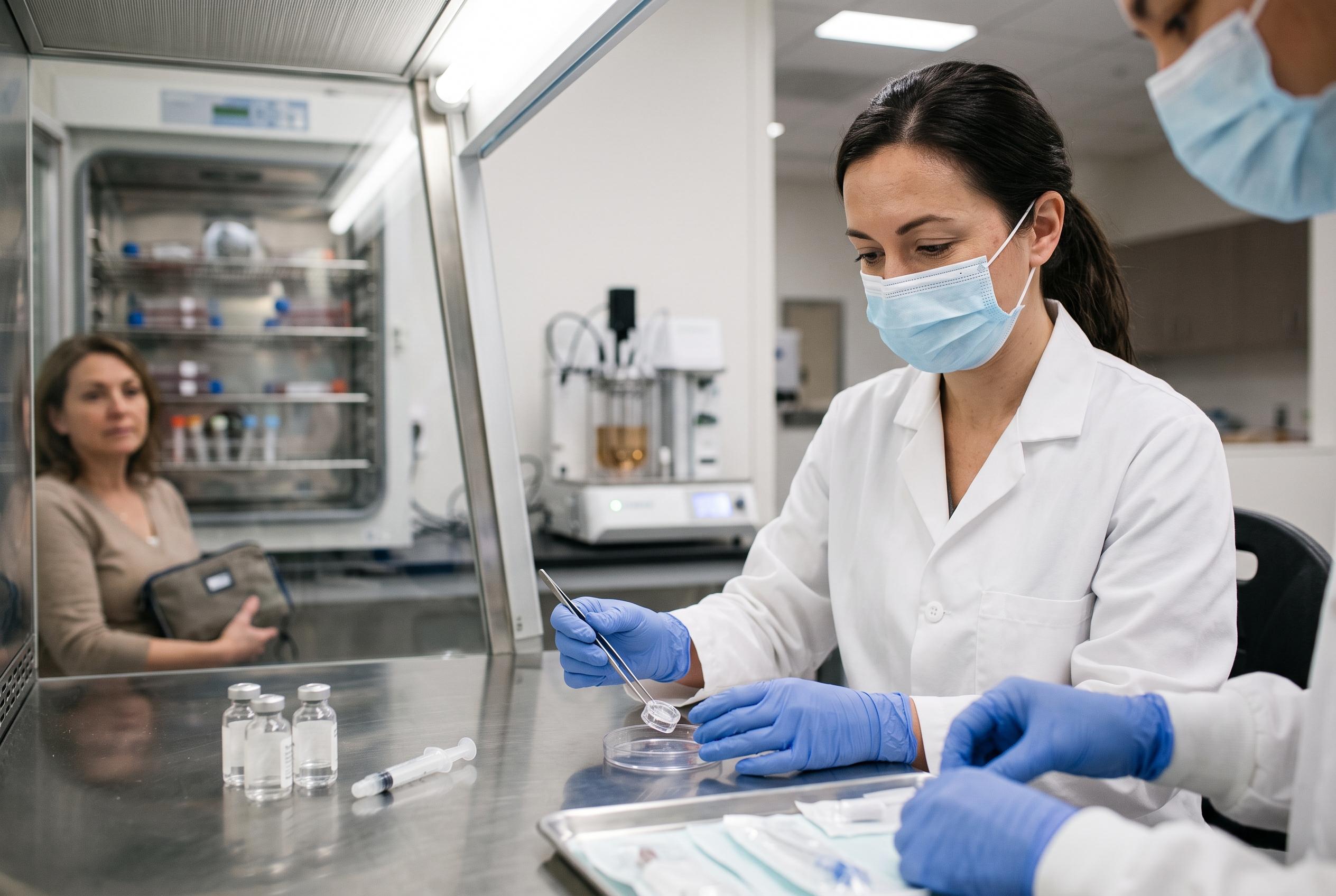

Encellin has teamed up with Breakthrough T1D to advance its immune-protected cell therapy programme, securing $2.5 million funding to propel clinical development of a novel implant designed to shield insulin-producing cells from immune rejection in type 1 diabetes patients.
Encellin has struck a partnership with Breakthrough T1D to support the next stage of its immune-protected cell therapy programme for type 1 diabetes, in a deal the companies say will provide $2.5 million over 24 months. The funding is intended to help move Encellin’s ENCRT-103-hPI programme into a planned early-stage study in adults with the disease.
According to the company, the upcoming trial will test an implant designed to house donor islets, the insulin-producing cells destroyed in type 1 diabetes, while shielding them from the immune system. Encellin said the device builds on earlier first-in-human work that showed tissue integration without significant fibrosis, a reaction in which scar-like tissue can form around an implant and interfere with its function.
The collaboration comes as the field of cell replacement therapy continues to look for ways to overcome one of its biggest obstacles: immune rejection. Breakthrough T1D said the approach could help validate whether a retrievable implant can support long-term islet function without the systemic immunosuppressive drugs that are normally required after transplantation. The organisation has backed similar projects through its industry partnership programme.
Encellin said interim data from its own early clinical work have suggested the platform can support cell survival and vascular growth around the implant, although the company cautioned that the therapy remains experimental and that safety and effectiveness have not yet been established. The broader type 1 diabetes research community has increasingly focused on encapsulation and other immune-evasive strategies as potential routes towards reducing daily treatment burdens.
Disclaimer: This content is for informational purposes only and is not intended to be a substitute for professional medical judgment, advice, diagnosis, or treatment.