
Endurance athletes are increasingly adopting continuous glucose monitors, typically used by diabetics, to optimise performance and recovery through real-time blood sugar data integration with wristwear and smartphones, sparking a new trend in fitness innovation.
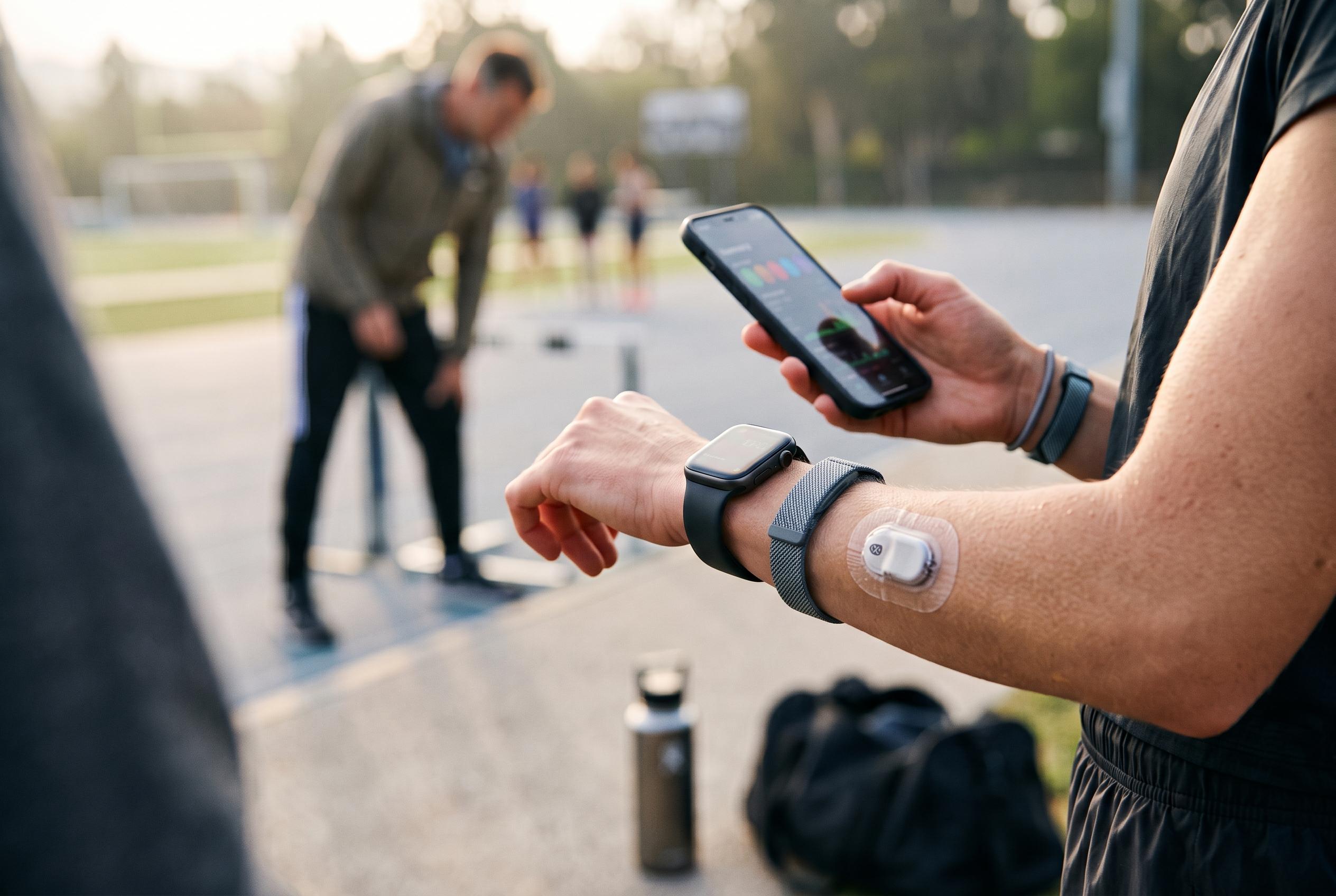
Continuous glucose monitors have moved well beyond diabetes care and into sports technology, with a growing number of endurance athletes using them to see how food, sleep and training affect blood sugar. In a recent review, the5krunner described personal use of Abbott’s FreeStyle Libre 3 Plus alongside Sugar Sense, a companion app that surfaces glucose readings on the wrist through Apple Watch and Garmin devices. The broader appeal is clear: for some users, the data can reveal how particular meals trigger spikes, how late-day eating affects sleep and whether energy levels track with glucose swings. Sugar Sense says it can pull real-time readings from CGMs including FreeStyle Libre, Dexcom and Nightscout, and that it works on iPhone, iPad, Apple Watch and Android devices.
The FreeStyle Libre 3 Plus is Abbott’s smallest CGM sensor to date, and the review noted that it is roughly the size of a £1 coin. It is designed for two weeks of wear and, as with similar sensors, must stay attached to continue working; if it comes off, it cannot be reused. Sugar Sense says it connects to Abbott’s system through LibreLinkUp rather than reading the sensor directly, which means setup depends on pairing the Abbott app correctly before the third-party app can display data.
The main attraction for non-diabetic users is convenience and visibility, but the technology has practical limits. The5krunner reported that readings are only passed to apps when the phone is nearby, with missed updates stored until connection resumes. The review also said NFC scans were unreliable in everyday use, making the app-based feed more dependable. Sugar Sense, meanwhile, advertises real-time glucose readings, trend arrows, high and low alerts, predictive warnings and family sharing.
Cost is another issue. The review put typical UK pricing at about £80 to £90 per sensor, with the price in parts of Europe often falling somewhere between €60 and €100. Because each sensor lasts around two weeks, year-round use can become expensive unless someone is only testing their response for a limited period. Abbott’s own app remains the primary route for many users, while Sugar Sense positions itself as a lighter, independent layer on top for people who want wrist-based alerts and basic trend data.
There are also questions about how much confidence athletes should place in CGM data during exercise. The review said the UCI’s latest position on supplements and CGMs was sceptical, pointing to a delay of about 10 to 15 minutes versus actual blood glucose and warning that readings can be less consistent around meals and intense efforts. Even so, the article suggested CGMs can still be useful as a short-term learning tool: wear one, observe the patterns, make dietary or training changes, then reassess later rather than treating the sensor as a permanent accessory.
Disclaimer: This content is for informational purposes only and is not intended to be a substitute for professional medical judgment, advice, diagnosis, or treatment.