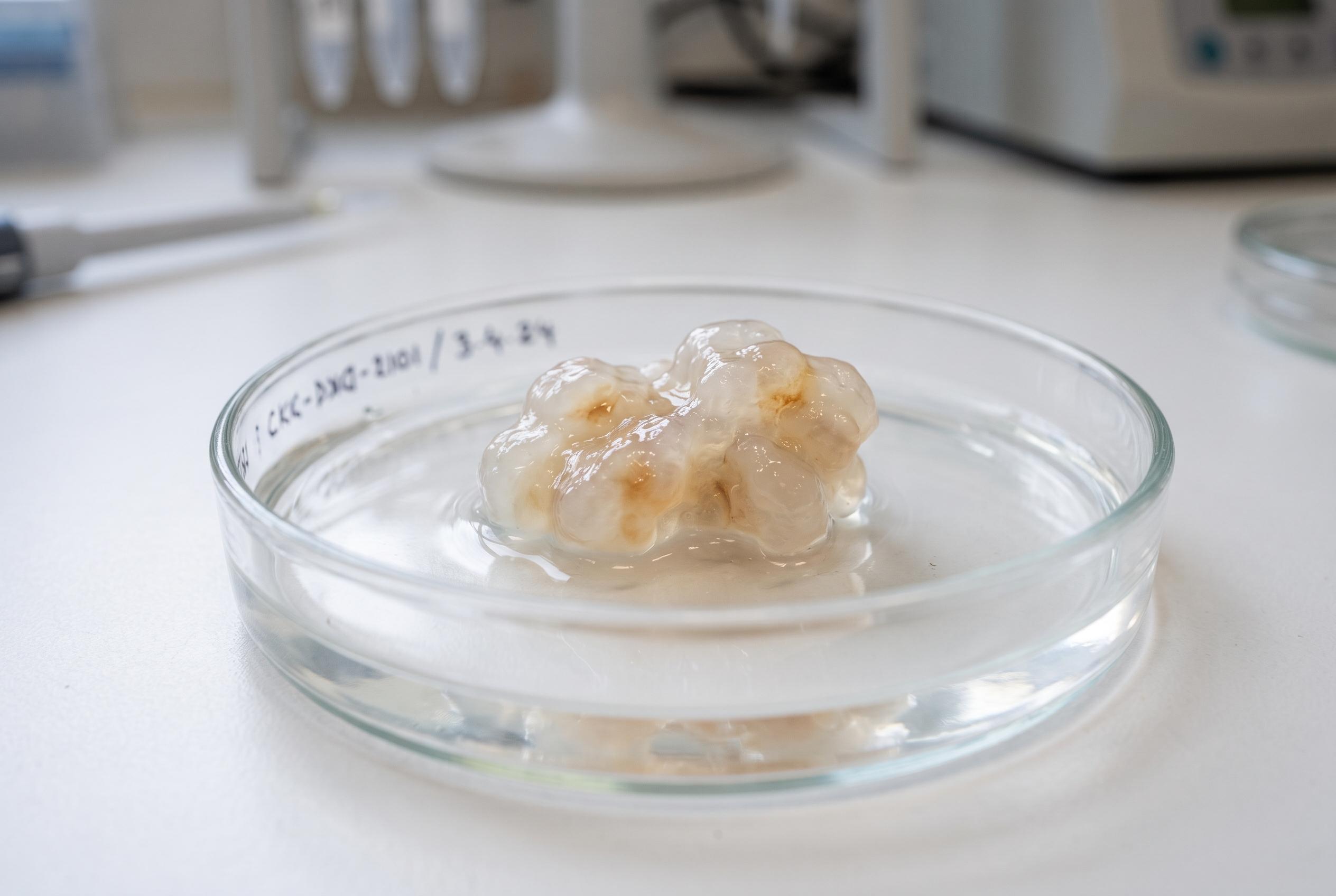

Research using kidney organoids from the University of Washington and Miami uncovers how high glucose levels may trigger inflammation, contributing to kidney damage in diabetes patients, and highlights potential therapeutic targets.
A stem cell-based model from researchers at the University of Washington and the University of Miami is offering a fresh look at how diabetes damages the kidneys. The work, published in Stem Cell Reports, suggests that high glucose may do more than strain kidney function: it may switch on inflammation inside kidney tissue itself, helping to drive the loss of specialised cells that keep the organ filtering properly.
Benjamin Freedman’s team grew human kidney organoids and exposed them to different glucose levels. Organoids kept in lower-glucose conditions stayed largely stable, but those in higher-glucose media showed worsening structural damage, including the detachment of podocytes, the cells that form part of the kidney’s filtration barrier, as well as tubular epithelial cells. Importantly, laboratory tests did not point to straightforward cell death, which led the researchers to conclude that the problem was not simple toxicity but a more specific injury process.
Single-cell RNA sequencing showed that the high-glucose organoids activated inflammatory pathways. Among the strongest signals were increased expression of MIF and TNF-alpha-related pathways, along with NF-kB signalling, a well-known inflammatory cascade. The pattern overlapped with transcriptomic data from human diabetic kidney disease biopsies, strengthening the idea that the organoid model reflects at least some features of the human condition. According to the researchers, the findings indicate that high glucose can promote inflammation and podocyte injury inside kidney tissue without needing an immune system to be present.
The study also tested whether blocking those pathways could reduce the damage. Inhibiting MIF with ISO-1, or TNF-alpha with etanercept, helped protect the organoids from podocyte injury under high-glucose conditions, while MAPK inhibitors provided only partial rescue. Even so, the researchers cautioned that the model has limits: organoids do not have blood vessels or a functioning immune system, and the glucose levels needed to trigger injury were relatively high. Still, the work adds to growing evidence that kidney organoids can be used to probe disease mechanisms and may eventually help researchers screen anti-inflammatory approaches for diabetic kidney disease, which affects a large share of people with diabetes and remains difficult to treat directly.
Disclaimer: This content is for informational purposes only and is not intended to be a substitute for professional medical judgment, advice, diagnosis, or treatment.