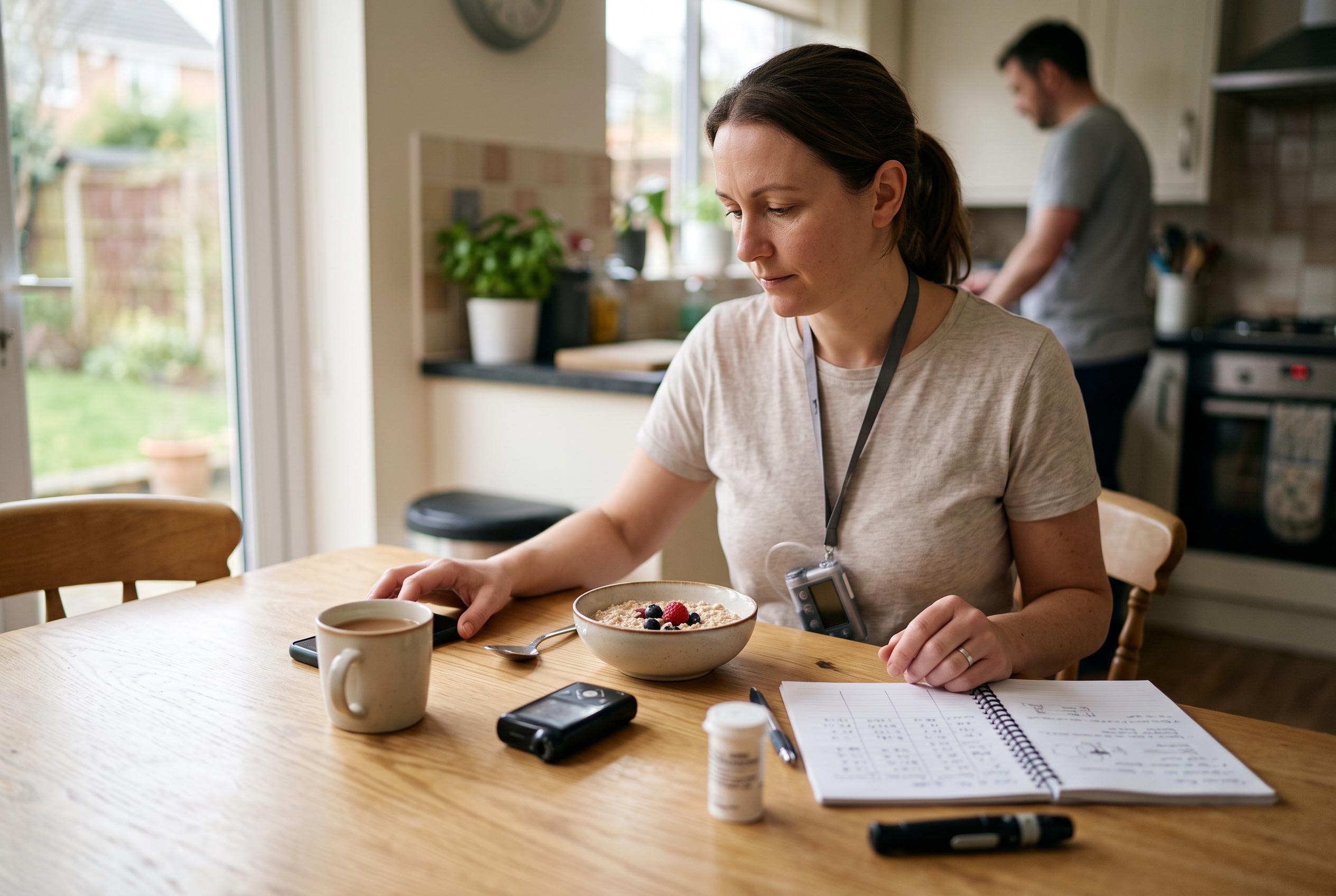

A multinational study in the UK is investigating whether combined diabetes technology and structured education can help reverse impaired hypoglycaemia awareness, aiming to reduce severe episodes and improve quality of life for adults with long-term type 1 diabetes.
A multinational trial is recruiting adults with type 1 diabetes in the UK to test whether diabetes technology, structured education or both can help restore impaired awareness of hypoglycaemia, a serious complication that can make low blood sugar harder to recognise and raise the risk of severe episodes. The CLEAR study is running at eight sites in the UK, the US and Australia and is seeking 324 participants, with recruitment under way in Leicester and Sheffield. According to the study team, Sheffield has already enrolled 30 people towards a target of 40, while Leicester is nearing 15.
Impaired awareness of hypoglycaemia can develop after repeated low-glucose episodes and may mean a person no longer experiences their usual warning signs until glucose has fallen much further than before. Researchers say the condition can affect driving, work, sleep, exercise, confidence and overall quality of life. A review on the National Center for Biotechnology Information says the problem can persist for years and is linked to a higher risk of severe hypoglycaemia, although careful avoidance of lows can sometimes reverse symptoms.
The study is comparing hybrid closed-loop technology, psychoeducation and a combination of the two. The educational approaches include MyHypoCOMPaSS, which focuses on spotting subtle physical and behavioural clues, and HARPdoc, which is designed to address beliefs and habits that may contribute to recurrent severe hypoglycaemia. The team says one of the key questions is whether technology can do more than reduce exposure to lows and actually help restore the body’s natural warning system.
To measure that, researchers will use controlled glucose clamp tests rather than relying only on continuous glucose monitoring data or participant reports. During those assessments, they will track symptoms, adrenaline, glucagon and cognitive function at different glucose levels to see whether the body’s counter-regulatory responses are returning. The trial is open to people aged 18 to 75 who have had type 1 diabetes for at least 10 years and have evidence of impaired awareness, including those already using CGM, insulin pumps or hybrid closed-loop systems. Recruitment is due to finish by July 2027, with follow-up continuing for two more years.
Disclaimer: This content is for informational purposes only and is not intended to be a substitute for professional medical judgment, advice, diagnosis, or treatment.