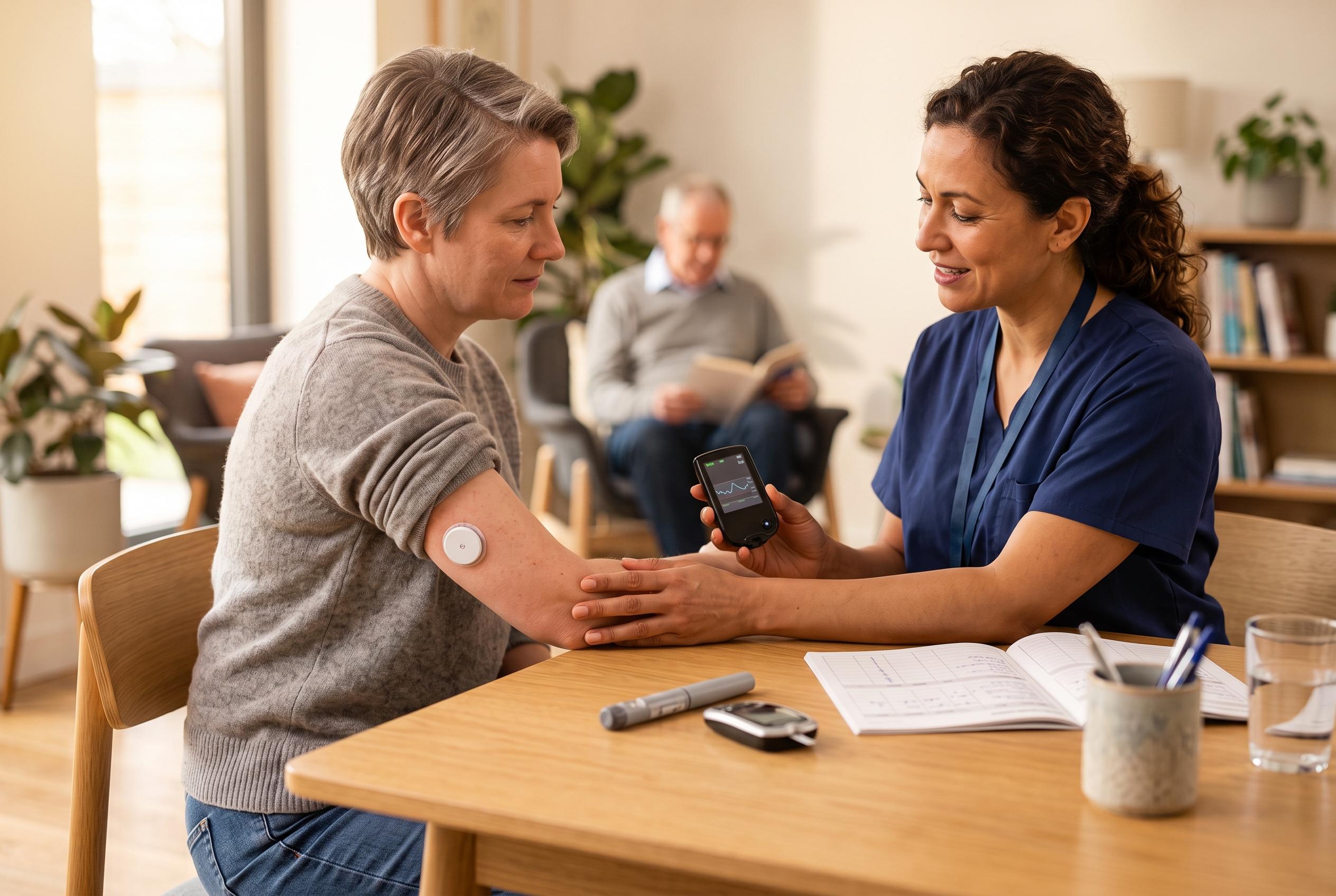

As continuous glucose monitoring becomes standard in diabetes management, experts emphasise that ongoing support and education are crucial to translating data into meaningful health outcomes, shifting focus beyond device capabilities.
Continuous glucose monitoring has moved from novelty to routine in diabetes care, but the real challenge now lies beyond simply wearing the sensor. In a blog post for Spirit Health published on September 17, 2026, Donna Sutton, a lead community diabetes specialist nurse at Newcastle upon Tyne Hospitals NHS Foundation Trust and clinical lead at Spirit Health, argues that education and follow-up support are becoming as important as the technology itself.
Sutton says the early debate around continuous glucose monitoring, or CGM, focused on technical issues such as accuracy, warm-up time, battery life and connectivity. Today, she says, the more pressing question is how to help people turn the stream of readings into practical decisions. That reflects the broader role of CGM described by the US National Institute of Diabetes and Digestive and Kidney Diseases, which says the devices provide automatic readings throughout the day and night to help people make decisions about food, activity and medicines.
The technology itself is straightforward enough: a small sensor sits under the skin, a transmitter sends data wirelessly, and a phone or reader displays glucose trends. The Centres for Disease Control and Prevention says CGMs can show how food, exercise and medicines affect blood sugar, while the Indian Health Service notes that they can also reveal the impact of stress and illness. But Sutton’s point is that many users still need help understanding what the numbers mean and what to do next.
That support often matters most after the initial fitting, not during it. Sutton describes patients coming back weeks later with questions about why glucose levels rise after meals, why mornings start high, or how exercise affects evening readings. For many diabetes teams, she says, the strain is not getting people started but helping them use the data well once they are. She argues that structured education, confidence-building and ongoing review should be treated as part of CGM care rather than an optional extra.
The shift also changes how success should be judged. Sutton says the focus should move beyond device features and accuracy to wider outcomes such as time in range, patient confidence, fewer avoidable appointments and better day-to-day engagement with diabetes management. That is the central message of her piece for Spirit Health: CGM may generate the data, but education and support determine whether that data improves care.
Disclaimer: This content is for informational purposes only and is not intended to be a substitute for professional medical judgment, advice, diagnosis, or treatment.