

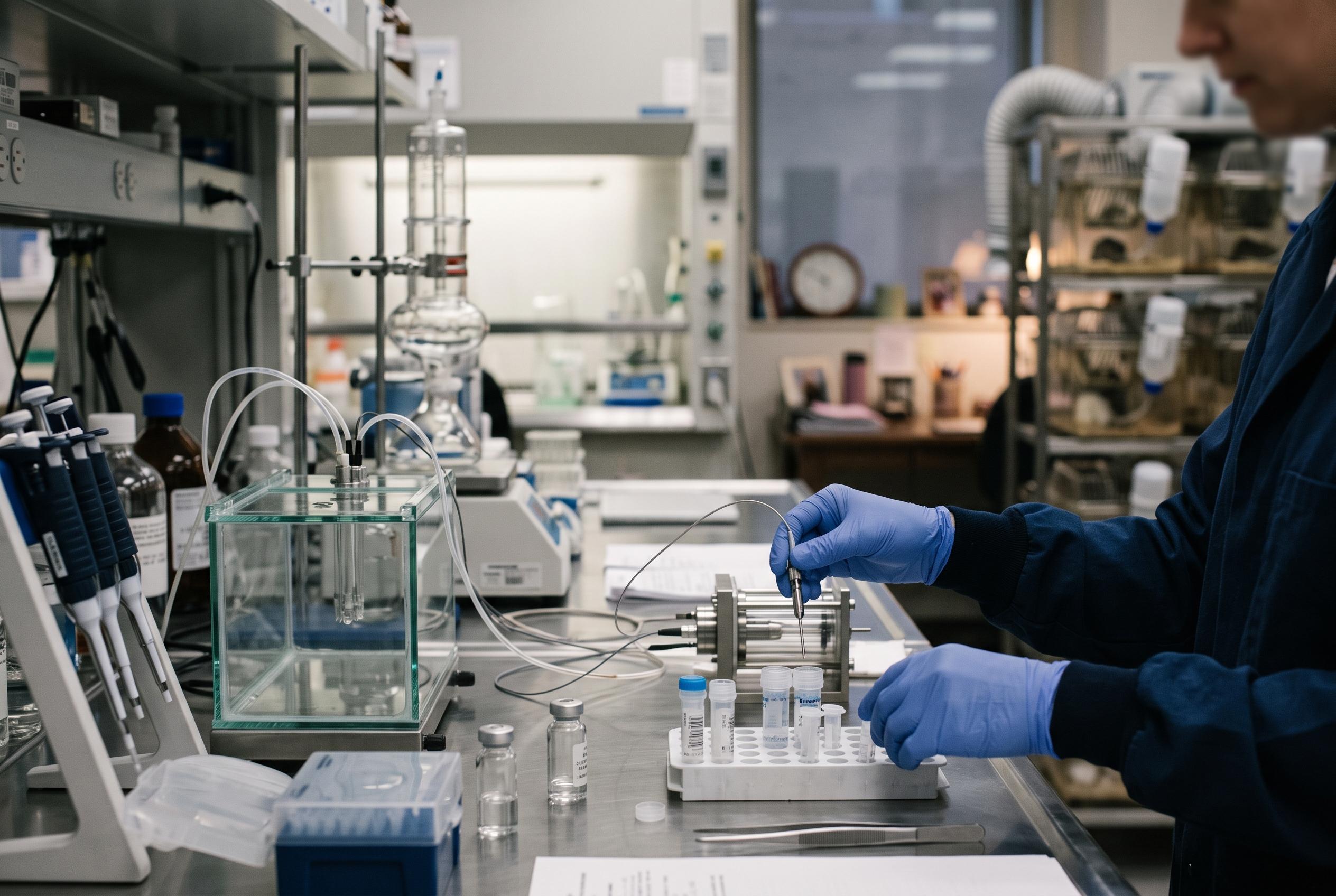

New research uncovers how chronic psychological stress induces astrocyte senescence in the amygdala, impairing brain metabolism and linking to disrupted blood sugar regulation, with potential implications for diabetes risk.
A study published in Cell Metabolism suggests that chronic stress may do more than raise anxiety: it may also speed a form of cellular ageing in the brain that disrupts blood sugar control. Researchers at Xiamen University report that, in mice, stress was linked to senescence in astrocytes, the support cells that help regulate brain metabolism and communication between nerve cells. The work points to the amygdala, a region involved in emotion and autonomic control, as a key site where stress-related changes may spill over into the body’s metabolic systems. The paper was published online on 3 April 2026.
According to the study, chronic stress lowered activity of hexokinase 2, or HK2, in amygdala astrocytes through the transcription factor PBX1. That metabolic shift appears to reduce production of molecules needed to support a serine shuttle between astrocytes and neurons. With less astrocyte-derived L-serine available, neurons made less D-serine, a compound important for NMDA receptor signalling and synaptic plasticity. The researchers say this chain of events weakened normal brain function and was associated with changes in neural output from the amygdala to the pancreas.
The study also identified a circuit linking the central amygdala with pancreatic islets, where hormone-producing cells help control glucose levels. In stressed mice, that pathway tilted towards sympathetic, or “fight-or-flight”, dominance and away from parasympathetic activity, a balance that can support insulin release. The result was higher blood glucose and impaired glucose handling. The authors argue that this provides a biological bridge between psychological stress and type 2 diabetes risk, although the findings are in animals and need human confirmation.
Two interventions reversed the effects in the mouse model. A dasatinib-and-quercetin combination cleared senescent astrocytes and improved both behavioural and metabolic outcomes, while direct L-serine delivery to the brain also restored function. The study’s authors say the results highlight senescent glial cells as a possible therapeutic target, but they also note that oral amino acid supplementation may not reach the brain in the same way as the experimental intracerebroventricular approach used in the research.
Disclaimer: This content is for informational purposes only and is not intended to be a substitute for professional medical judgment, advice, diagnosis, or treatment.



