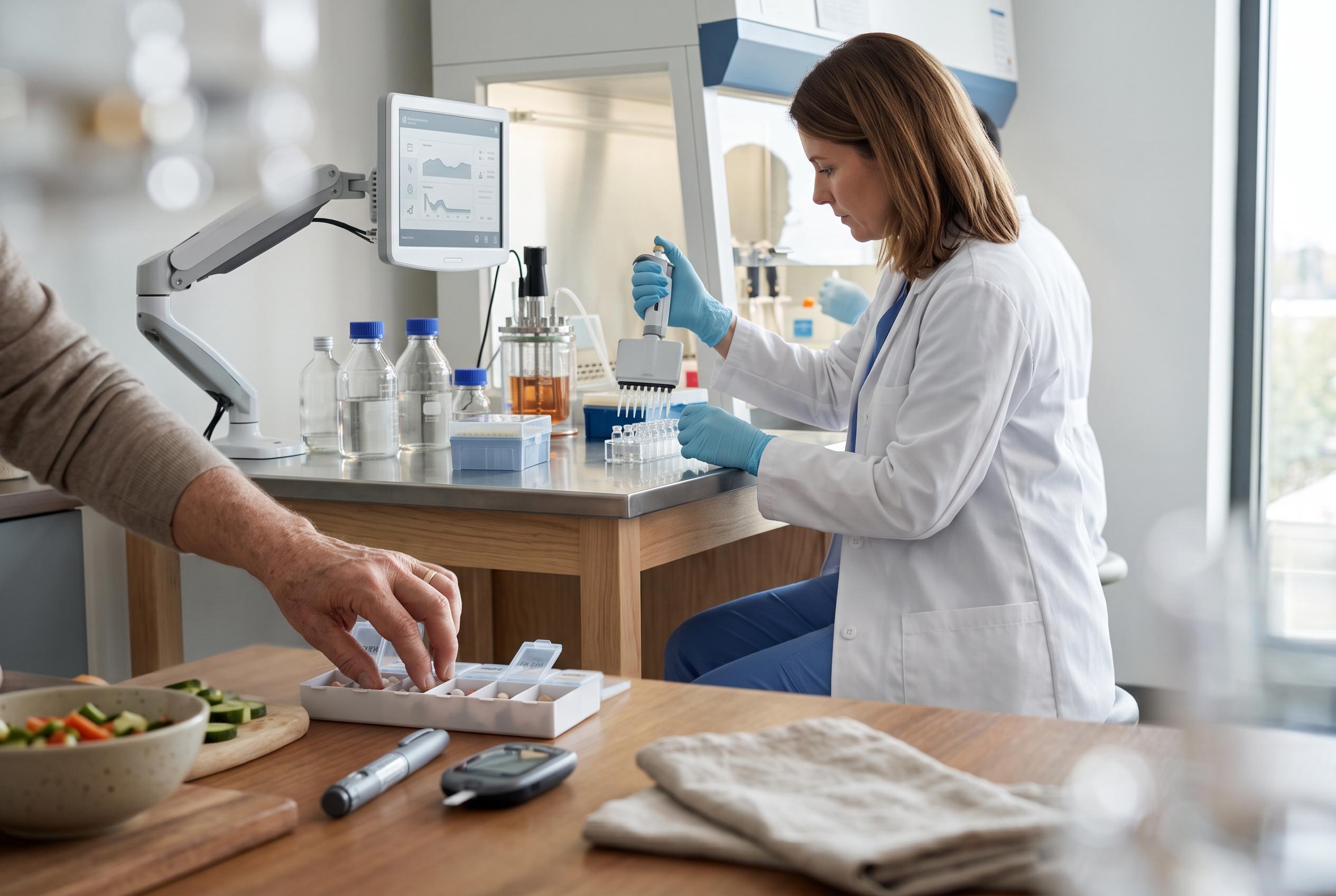

Zealand Pharma has licensed its innovative diabetes peptide platform to US biotech Elvinix, aiming to develop a first-in-class regenerative treatment that targets the immune destruction of insulin-producing beta cells in type 1 diabetes, amid rising global demand.
Zealand Pharma has out-licensed its diabetes peptide platform to Elvinix, a US biotech that wants to turn the science into a regenerative treatment for type 1 diabetes. The deal hands over the dual-agonist platform, the related patent families and a substantial body of preclinical data, giving Elvinix a basis for moving the programme towards clinical testing. According to Zealand Pharma, the company has spent more than 25 years developing peptide medicines, and its platform has already underpinned products sold by Sanofi and Novo Nordisk.
Elvinix says it intends to develop the licensed peptides as a disease-modifying therapy aimed at regenerating and protecting the insulin-producing beta cells destroyed in type 1 diabetes. That would be a different approach from standard care, which still relies mainly on insulin replacement, glucose monitoring and other measures to manage blood sugar rather than address the underlying immune damage. The company argues that restoring the body’s own insulin production could reduce hypoglycaemia, ease the burden of daily treatment and lower the risk of complications. The prospect comes as the CDC says teplizumab, an approved immune-modulating medicine, can delay progression of the disease in some patients, underscoring broader interest in therapies that go beyond symptom control.
The commercial logic is reinforced by the scale of the unmet need. Elvinix says about 9.5 million people worldwide live with type 1 diabetes, a figure it says continues to rise each year. The company, which is based in the US, describes itself as focused on regenerative, disease-modifying treatments for the condition and says it was co-founded by leading diabetes specialists including Alex Rabinovitch, Jay Skyler and Alexander Fleming. In announcing the licence, chief executive Daniil Koshelev said the agreement gives the company a peptide platform built on years of preclinical work and allows it to concentrate on advancing what it hopes could become a first-in-class therapy.
Disclaimer: This content is for informational purposes only and is not intended to be a substitute for professional medical judgment, advice, diagnosis, or treatment.