

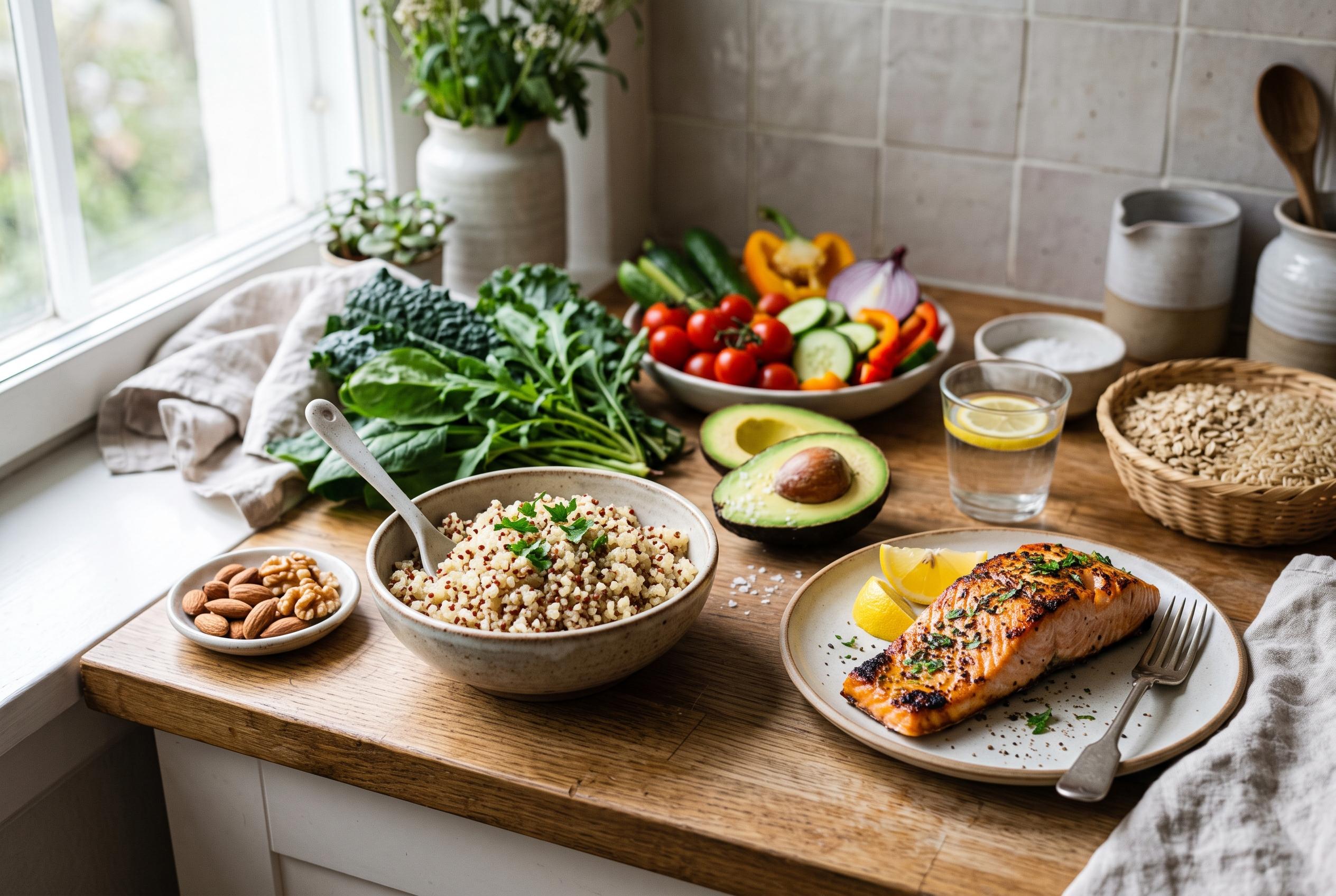

Emerging research underscores the impact of specific foods like quinoa, avocados, and fatty fish in maintaining steady blood glucose, offering practical dietary strategies to reduce the risk of diabetes-related complications.
Keeping blood sugar steady matters far beyond avoiding a post-meal slump. According to the US Centers for Disease Control and Prevention, persistently high glucose can damage the kidneys, nerves and eyes, and it also raises the risk of heart disease and stroke. The practical aim is not a miracle fix, but a pattern of eating that slows digestion, supports insulin action and helps the body handle glucose more smoothly.
Among the foods most often recommended, quinoa stands out because it behaves more gently than many refined grains. Healthline notes that it has a relatively low glycaemic index and brings fibre and protein to the table, both of which can help blunt a sharp rise after eating. Avocados work in a similar way: they are low in carbohydrate, high in fibre and rich in monounsaturated fat, which may support insulin sensitivity and make blood sugar swings less likely.
Other sensible choices include apples, broccoli, black beans, Greek yoghurt and sardines. Apples offer soluble fibre, while broccoli and black beans add fibre along with plant protein and minerals that support glucose control. Plain Greek yoghurt provides more protein and fewer carbs than many flavoured yoghurts, and fatty fish such as sardines supply omega-3-rich fats; Woman’s World says a study found that people at higher risk of type 2 diabetes who added sardines in olive oil to their diet were less likely to develop the condition.
For drinks, water remains the simplest option, partly because it contains no sugar and may help the body clear excess glucose. Green tea, black tea and cinnamon tea are also commonly cited for their possible effects on insulin sensitivity and post-meal spikes, although they are best seen as supportive habits rather than quick cures. If glucose rises above 240 mg/dL and symptoms such as excessive thirst, dehydration or frequent urination appear, Woman’s World says urgent medical help is needed; diet alone is not enough in that situation.
Disclaimer: This content is for informational purposes only and is not intended to be a substitute for professional medical judgment, advice, diagnosis, or treatment.



