
A Hong Kong cardiologist reveals how swapping refined starches for oats can reverse early signs of high blood pressure, sugar, and cholesterol , a promising strategy amid rising cardiovascular risks in Hong Kong.
A Hong Kong cardiologist says a single dietary change may help curb the combined risks of high blood pressure, high blood sugar and high cholesterol, conditions that together sharply raise the odds of stroke and heart disease. In a recent appearance on the Taiwanese health programme “Healthy Lights Out”, Dr. Chen Guanren described a man in his early 30s whose metabolic readings returned to normal within six months after replacing refined starches with oats.
The warning comes against a bleak backdrop in Hong Kong. The city’s Department of Health said its Population Health Survey, conducted between November 2020 and February 2022, found that 51.9% of residents aged 15 to 84 had high cholesterol, 29.5% had high blood pressure and 8.5% had diabetes. Public-health officials say those overlapping conditions are a major driver of cardiovascular disease and a key target for prevention.
Chen’s advice fits with broader guidance from cardiology and nutrition groups. Harvard Health says foods high in saturated fat, including fatty meats, butter and full-fat dairy, can raise LDL, or “bad” cholesterol, while plant-based eating patterns such as the Mediterranean and DASH diets can help control cholesterol, blood pressure and blood sugar. The American College of Cardiology has also highlighted oats, barley, legumes and nuts as useful sources of soluble fibre, which can help lower LDL.
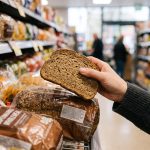
The doctor’s case study centred on a man whose “three highs” were elevated but not yet severe. Chen said the patient was told to drop refined carbohydrates, such as white bread and white rice, and replace them with oats. At follow-up six months later, the patient’s blood tests were back within normal limits, according to the account given on the programme.
Chen said diet alone is not enough. He also recommended regular exercise, pointing to simple signs of effort such as sweating, a faster pulse and mild breathlessness. That advice is consistent with guidance from UCLA Health, which says exercise can help reduce triglycerides and improve HDL, the so-called “good” cholesterol.
Disclaimer: This content is for informational purposes only and is not intended to be a substitute for professional medical judgment, advice, diagnosis, or treatment.