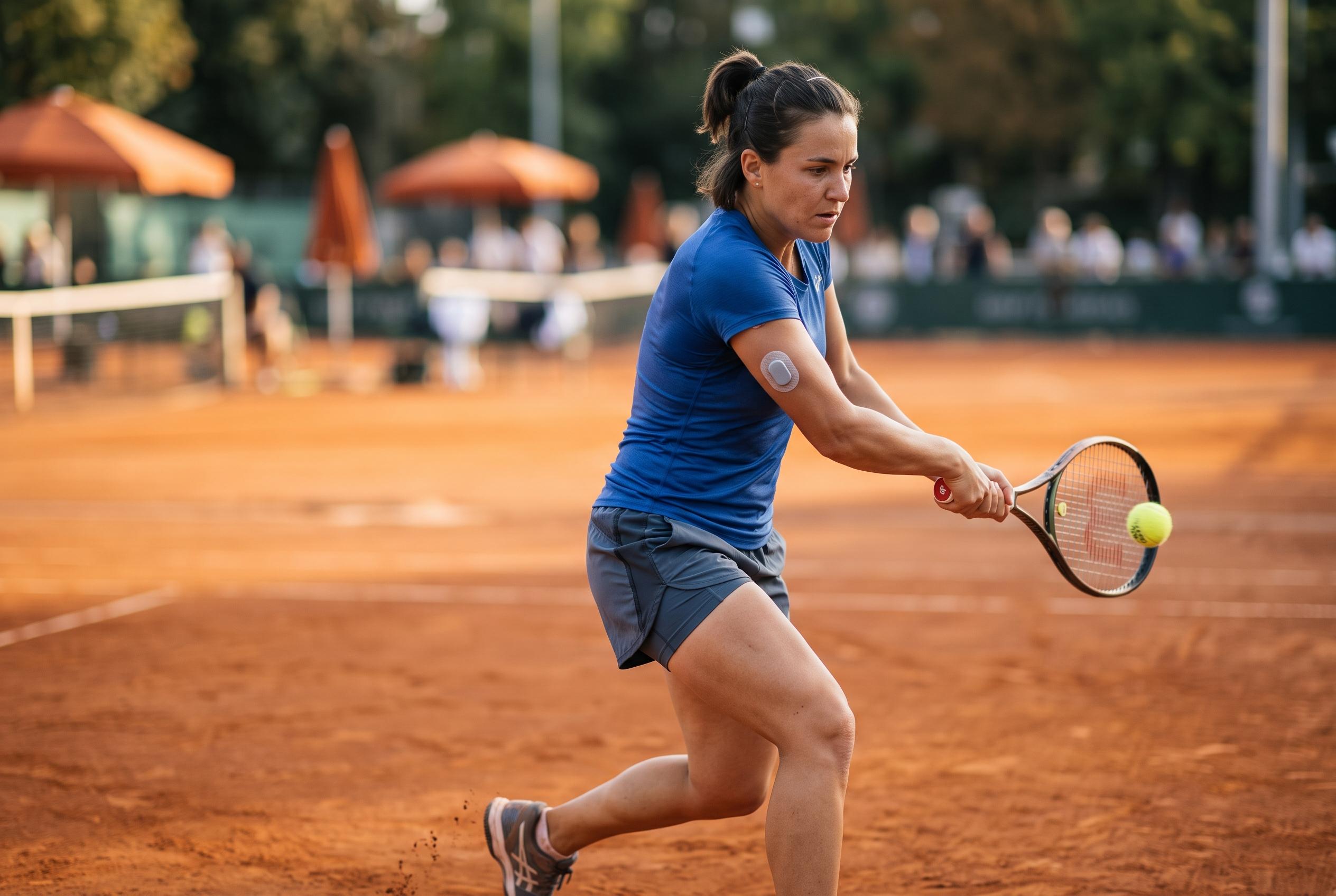

Alexander Zverev’s journey to top-tier tennis is not only marked by athletic prowess but also by intense daily management of Type 1 diabetes, demonstrating an extraordinary level of discipline and technological adaptation.
Andy Roddick has argued that Alexander Zverev’s diabetes management deserves far more attention than it usually gets. Speaking during the US Open, the former world No. 1 said it was extraordinary that the German can be checking blood sugar levels on every changeover while also competing in matches that can stretch for hours. Roddick, who said family experience has given him a closer view of the condition, described the routine as difficult to imagine for any elite athlete.
Zverev, who was diagnosed with Type 1 diabetes as a child, did not speak publicly about it until 2022. By then, he had already established himself among the game’s leading players, but his matches have always required careful preparation. He has to monitor glucose levels during play and keep insulin available, with a medical exemption allowing him to administer it when necessary. At the 2023 French Open, he drew attention for taking insulin on court rather than leave the match for a toilet break.
More recently, Zverev has spoken about how modern technology has made the process easier, even if it is not perfect. In a July 2026 interview with the BBC, he said he carries a second phone connected to his glucose-monitoring system so he can check readings without finger-prick tests at every changeover. He also said the signal does not always connect quickly enough, meaning he still has to rely on the older method at times. The contrast between that constant medical vigilance and the demands of top-level tennis has become a defining part of his career.
That career has continued to reach new heights. Reports in 2026 said Zverev won his first Grand Slam title at the French Open, adding a major breakthrough to a run that has already taken him to world No. 2. He has also used his platform to raise awareness of Type 1 diabetes and launched a foundation focused on helping children living with the condition. Against that backdrop, his run to another major final, this time against Ben Shelton at the US Open, has underlined both his sporting progress and the unseen discipline behind it.
Disclaimer: This content is for informational purposes only and is not intended to be a substitute for professional medical judgment, advice, diagnosis, or treatment.