

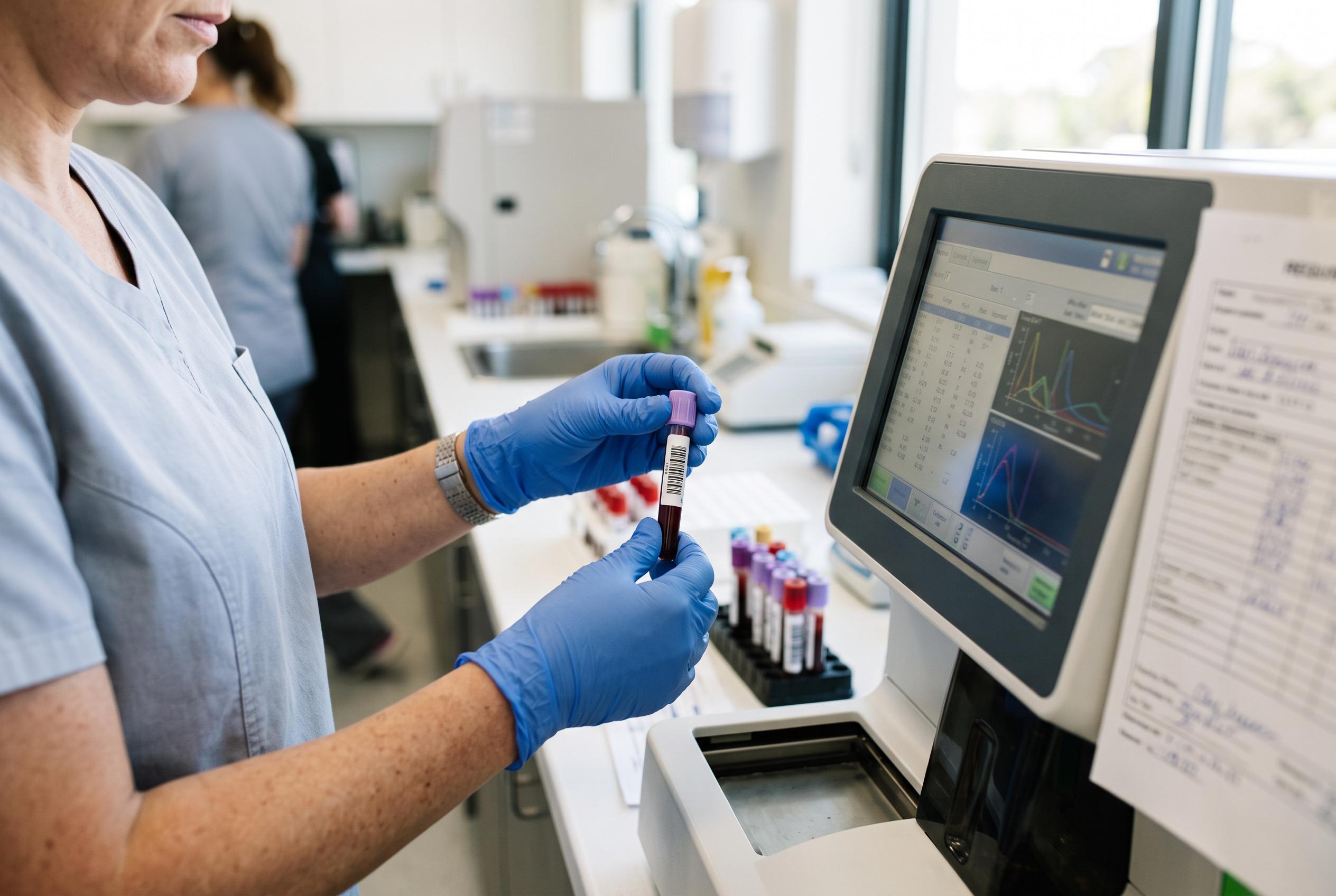

A sharp increase in haemoglobin A1C levels over four months could indicate either deteriorating blood sugar control or a misleading test result influenced by anaemia, prompting the need for additional tests and context.
A sudden jump in haemoglobin A1C, especially over just four months, can mean more than one thing. In the case discussed by Dr Keith Roach in The Tribune Chronicle, the first possibility is straightforward: a rise in blood sugar severe enough to signal poorly controlled diabetes. But Roach said the pattern described by the reader also fits a less obvious explanation, namely that the test result may have been distorted by anaemia.
A1C reflects average blood sugar over time because glucose sticks to haemoglobin inside red blood cells. When the number is genuinely higher, it usually points to worsening diabetes, changes in medication or, more rarely, hormone or pancreatic disorders. Researchers and diabetes specialists have also long noted that the test can be misleading when blood conditions alter red cell lifespan or chemistry.
Iron deficiency is one of the best-known causes of that distortion. A review indexed by PubMed found that iron deficiency anaemia can affect HbA1c interpretation, while guidance published in Diabetes Care has said the condition may raise A1C by about 1 to 1.5 percentage points before falling again after iron treatment. Other studies have also shown that iron status can change HbA1c readings even in people without diabetes.
That is why Roach suggested checking for a false rise rather than assuming the reader’s swimming routine or diet had failed. He pointed out that bleeding from arteriovenous malformations could contribute to iron deficiency anaemia, and that additional testing such as a blood count, fructosamine or continuous glucose monitoring may help separate true hyperglycaemia from a misleading laboratory result. If the higher reading is confirmed, Roach said a GLP-1 drug such as semaglutide could help with both blood sugar and weight loss, while offering cardiovascular benefit.
Disclaimer: This content is for informational purposes only and is not intended to be a substitute for professional medical judgment, advice, diagnosis, or treatment.



