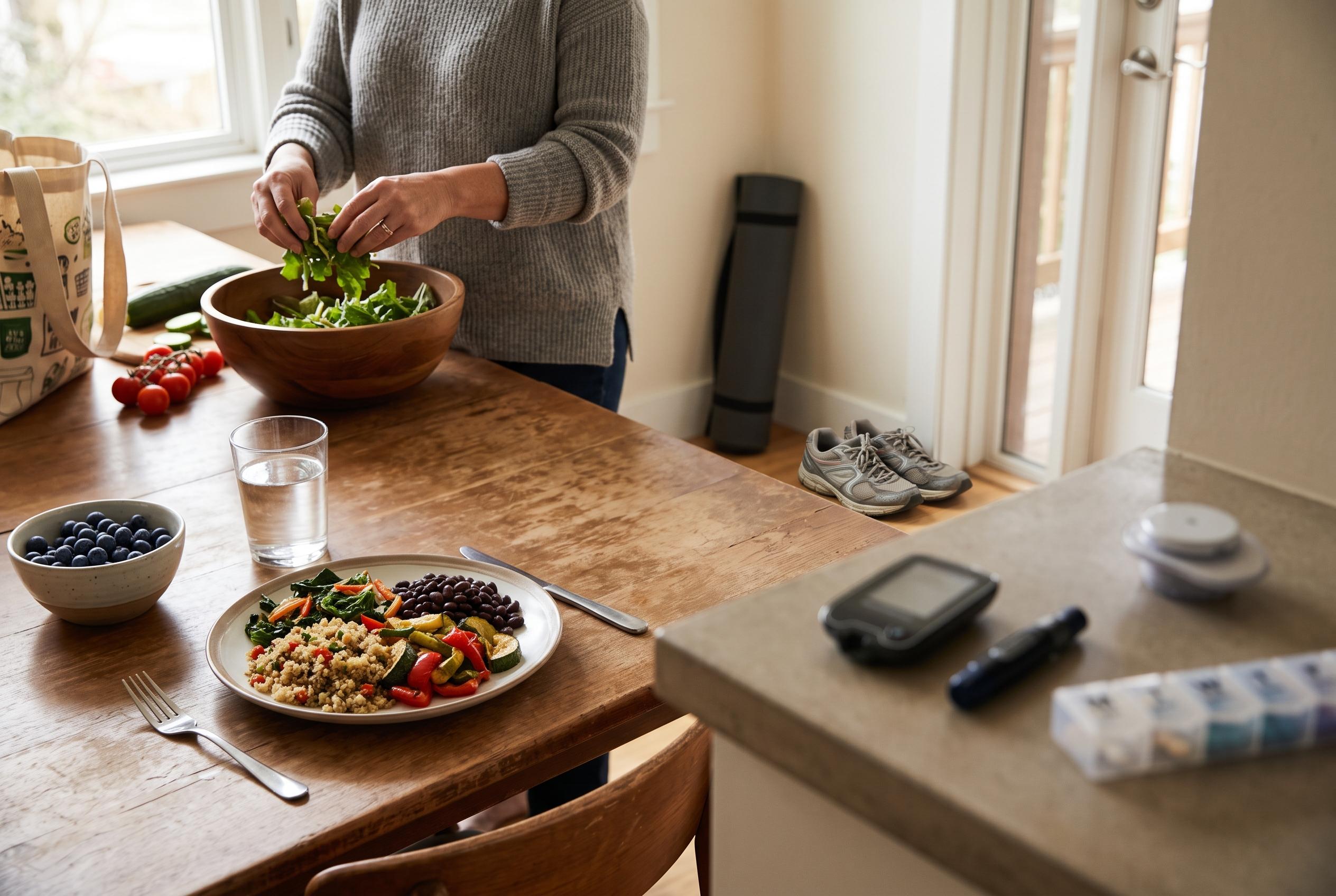

Experts emphasise gradual improvements through quality carbohydrates, regular exercise, and personalised targets, challenging the efficacy of extreme diets to lower HbA1c levels in type 2 diabetes or prediabetes.
People with a raised HbA1c reading are unlikely to improve it by cutting out carbohydrates altogether. Mainstream medical guidance in the US and UK points instead to a slower, more sustainable approach: eating better-quality carbohydrates in sensible portions, building regular physical activity into the week and making changes that can be maintained for months rather than days. The NHS says lifestyle changes can lower blood glucose in people with type 2 diabetes or prediabetes and, in some cases, bring the condition into remission, while the US Centers for Disease Control and Prevention says some people can bring HbA1c below 6.5% with lifestyle measures and medicines where needed.
HbA1c, also called A1C, is not a quick snapshot but a measure of average blood sugar over roughly the previous three months. The CDC sets the usual thresholds at below 5.7% for a normal result, 5.7% to 6.4% for prediabetes and 6.5% or above for diabetes. Cleveland Clinic explains that the percentage reflects how much glucose is attached to haemoglobin in red blood cells. The National Institute of Diabetes and Digestive and Kidney Diseases places the test firmly in a clinical setting rather than a wellness one: it is a standard tool for screening, diagnosis and monitoring, but it is less sensitive than some glucose tests and should be based on a properly standardised laboratory assay. That matters because HbA1c can occasionally mislead. The CDC says severe anaemia, kidney failure, liver disease, some blood disorders, certain medicines, blood loss, transfusions and early or late pregnancy can all push the number falsely up or down.
Exercise is one of the clearest ways to move the figure in the right direction, according to the American Diabetes Association. Its guidance says physical activity helps in two ways: it increases insulin sensitivity, and working muscles can take up and use glucose even when insulin is not readily available. Regular activity can lower HbA1c over time, not just the glucose reading on the day. The association says the effect of a workout may last for 24 hours or more because the body becomes more sensitive to insulin afterwards. That said, people taking insulin or tablets that stimulate insulin release need to be more careful. The ADA advises checking glucose more often before and after exercise so that patterns become clearer and the risk of hypoglycaemia can be managed safely.
Food advice from major health organisations is also more nuanced than simply saying “eat fewer carbs”. Mayo Clinic says blood sugar control depends not only on what people eat but how much they eat and how foods are combined across meals and snacks. It highlights two common planning tools: carbohydrate counting and the plate method, which helps with balance and portion size. The NHS offers a practical version of the same message, recommending fruit, vegetables, wholegrain foods such as oats and wholemeal bread, and pulses including chickpeas and lentils. Both sources make room for carbohydrates, but they favour higher-fibre options over refined ones such as white bread, white rice, sugary cereals, cakes and biscuits.
Another consistent theme is that abrupt or punitive dieting is rarely the safest answer. The NHS advises people who are struggling with diet changes to make one small adjustment each week rather than trying to transform everything at once, and it warns against switching to a very strict low-calorie diet without professional advice, especially for those already using insulin or other diabetes medicines. Mayo Clinic similarly frames glucose control as a day-to-day management issue, not a crash plan, and adds that stress is part of the picture. Prolonged stress hormones can raise blood sugar and make routines harder to follow, it says, which is one reason exercise can help twice over: by lowering glucose directly and by easing stress.
Targets also vary from person to person. The CDC says that for most people with diabetes the usual HbA1c goal is 7% or less, but that target should be set with a clinician who knows the patient’s full history. Cleveland Clinic adds some concrete context: an HbA1c of 7% corresponds to an estimated average glucose of 154 mg/dL, while 9% works out at about 212 mg/dL. It also notes that some people will have higher targets, including those with severe hypoglycaemia, limited life expectancy or advanced complications, while some pregnant people with type 1 diabetes may be advised to aim for 6.5% or lower. Persistently high HbA1c is associated with a greater risk of complications affecting the eyes, kidneys, nerves, heart and brain.
The upshot is that a raised HbA1c should be treated as a reason for structured follow-up, not panic or self-punishment. The NHS says HbA1c is usually checked every three to six months in people with type 2 diabetes, while the CDC says many people with diabetes should be tested at least twice a year and more often if their treatment plan changes. The NIDDK also notes that glucose tests and HbA1c do not always identify exactly the same people, so doctors may need to use more than one measure before confirming what is going on. For patients, that means the safest route is steady change, regular review and medical advice tailored to the reasons their number is high in the first place.
Disclaimer: This content is for informational purposes only and is not intended to be a substitute for professional medical judgment, advice, diagnosis, or treatment.