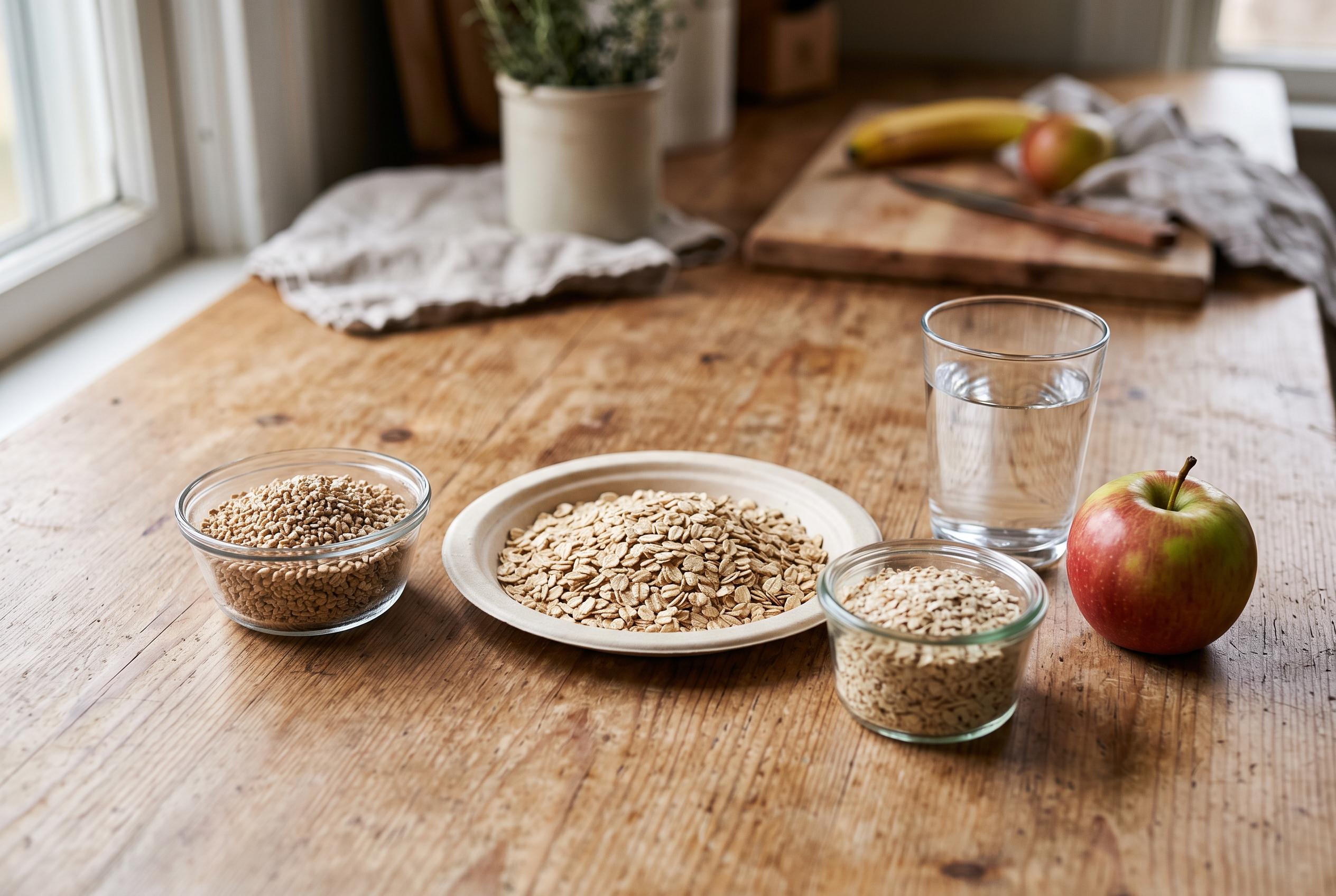

A comprehensive review compares instant, rolled, and steel-cut oats, highlighting how processing and added extras influence their nutritional value, blood sugar impact, and role in a heart-healthy diet.
Choosing between instant oatmeal and traditional oats is less a matter of calories than of processing, blood sugar and what else comes in the packet. Across the nutrition guidance reviewed from Harvard, Tufts, Cleveland Clinic and other outlets, the broad verdict is consistent: plain oats of almost any kind remain a solid breakfast, but steel-cut and rolled oats usually have the edge for everyday use because they are digested more slowly, while many instant products lose ground when manufacturers add sugar, salt or flavourings.
That difference starts with how the grain is handled. Harvard T.H. Chan School’s Nutrition Source says oats are almost always eaten as a whole grain, but they appear in several forms, from intact groats to steel-cut, rolled and then quick or instant oats. The more the oat is steamed, flattened and pre-cooked, the faster it softens in the bowl. Candida Rebello of Louisiana State University’s Pennington Biomedical Research Center, speaking to the American Heart Association, set out the sequence plainly: steel-cut oats are chopped from the groat, rolled oats are steamed and flattened, and still thinner flakes become quick-cooking and then instant oats. Tufts Health & Nutrition Letter adds that this extra steaming, rolling and drying increases surface area, which is why instant oats cook so quickly and have a softer texture.
What processing does not do, at least in plain unsweetened products, is transform oats into a nutritionally different food. Healthline’s side-by-side comparison of a 40g serving found rolled, steel-cut and quick oats each provide about 150 calories, 27g of carbohydrate, 4g of fibre and 5g of protein, with only slight differences in fat and sugar. Tufts goes further, saying that “The nutritional content of instant oats is the same as other types of oats”. The Cleveland Clinic describes oats as a nutrient-dense whole grain, and says a half-cup of rolled or steel-cut oats supplies 64% of the daily value for manganese alongside useful amounts of copper, thiamin, magnesium, phosphorus, zinc, iron and vitamin B5. The American Heart Association also points to cooked oatmeal as a source of thiamin and manganese.
The argument for less processed oats is really about how the body handles them once eaten. Harvard says the glycaemic load of steel-cut oats is low to medium, whereas highly processed instant oats have a high glycaemic load. Healthline similarly reports that steel-cut and rolled oats tend to have a lower glycaemic index than quick oats. Tufts says instant oats are digested more quickly and therefore raise blood sugar faster, while the Cleveland Clinic explains that beta-glucan, the soluble fibre in oats, forms a gel-like coating in the gut that slows glucose absorption. Harvard also notes that minimally processed oats can fit into a diabetic diet and cites evidence that oat intake can reduce fasting blood glucose and HbA1c in people with type 2 diabetes.
That same beta-glucan is a large part of the case for oats more generally. Harvard says 3g a day of beta-glucan soluble fibre from whole oats has been linked to a modest fall in blood cholesterol of about 12 points. The American Heart Association says extensive research has connected oats and oatmeal with lower total and LDL cholesterol, and Rebello told the charity that oats have “many, many good qualities”. The Cleveland Clinic cites research in which people saw significant falls in total and LDL cholesterol after eight weeks of daily oat flakes. Harvard adds that beta-glucan may also blunt sharp rises in insulin after meals and is fermented by intestinal bacteria, which may help gut health.
Satiety and digestion are another part of the picture, and here texture can matter as much as nutrition labels. Tufts recommends steel-cut oats for people who have the time, saying their more intact structure is likely to keep someone full the longest and have the least effect on blood sugar, while rolled oats are the softer, quicker-cooking compromise. The Cleveland Clinic says a half-cup of oats provides about 4g of dietary fibre and reports that regular oat intake may help bowel regularity, with both soluble and insoluble fibre playing a role. Beth Czerwony, the clinic’s dietitian source, says oatmeal can support gastrointestinal health and help people stay full for longer, making it easier to avoid extra snacks between meals.
Where shoppers get into trouble is usually not with oats themselves but with the extras. Food Network says instant oatmeal is not nutritionally inferior to regular oats, but many flavoured versions come with at least three to four teaspoons of added sugar per serving, and some brands also include sodium. The Cleveland Clinic makes the same point, warning that manufacturers often add enough sugar to undercut some of the base benefits of the grain. Healthline advises choosing plain, unsweetened oats and adding your own toppings instead. Harvard recommends rolled oats rather than instant for overnight oats, while Tufts suggests building a bowl with berries, nuts, banana, cinnamon or plain yoghurt. Even oat-based drinks deserve a label check: the American Heart Association notes that oat milk may contain added sugar, salt and oil, and typically offers only around 2g of fibre per cup with relatively little beta-glucan.
For most people, then, the best answer is not a ban on instant oats but a hierarchy of trade-offs. Steel-cut oats appear to offer the slowest digestion and steadiest blood sugar response; rolled oats are close behind and often the most practical everyday choice; instant oats remain a useful option when time is tight, provided the ingredient list is short and the packet is not loaded with sweeteners. If the goal is a breakfast that is convenient, filling and genuinely heart-friendly, the evidence points less to the front of the box and more to two questions: how processed are the oats, and what has been added to them?
Disclaimer: This content is for informational purposes only and is not intended to be a substitute for professional medical judgment, advice, diagnosis, or treatment.