
Clinicians highlight the potential benefits of brief walks after eating for blood glucose control and digestion, while emphasising individualised timing and safety considerations for people with diabetes.
A short walk after an evening meal is not a cure-all, but clinicians and diabetes specialists say it can be a useful, low-effort habit for some people. Medical guidance from Cleveland Clinic and the American Diabetes Association suggests that getting up and moving after eating may help limit how sharply blood sugar rises, while also fitting into a broader approach to digestion, sleep, stress and day-to-day diabetes management.
Part of the reason is timing. Cleveland Clinic says blood glucose commonly rises after meals and is often at its highest about 30 to 90 minutes later. Shannon Knapp, a nurse and diabetes care and education specialist there, says even a brief walk can make a difference because working muscles use glucose for fuel. In the same guidance, she notes that activity can begin affecting blood sugar within minutes, and that research suggests as little as two to five minutes of walking may bring levels down modestly compared with remaining seated.
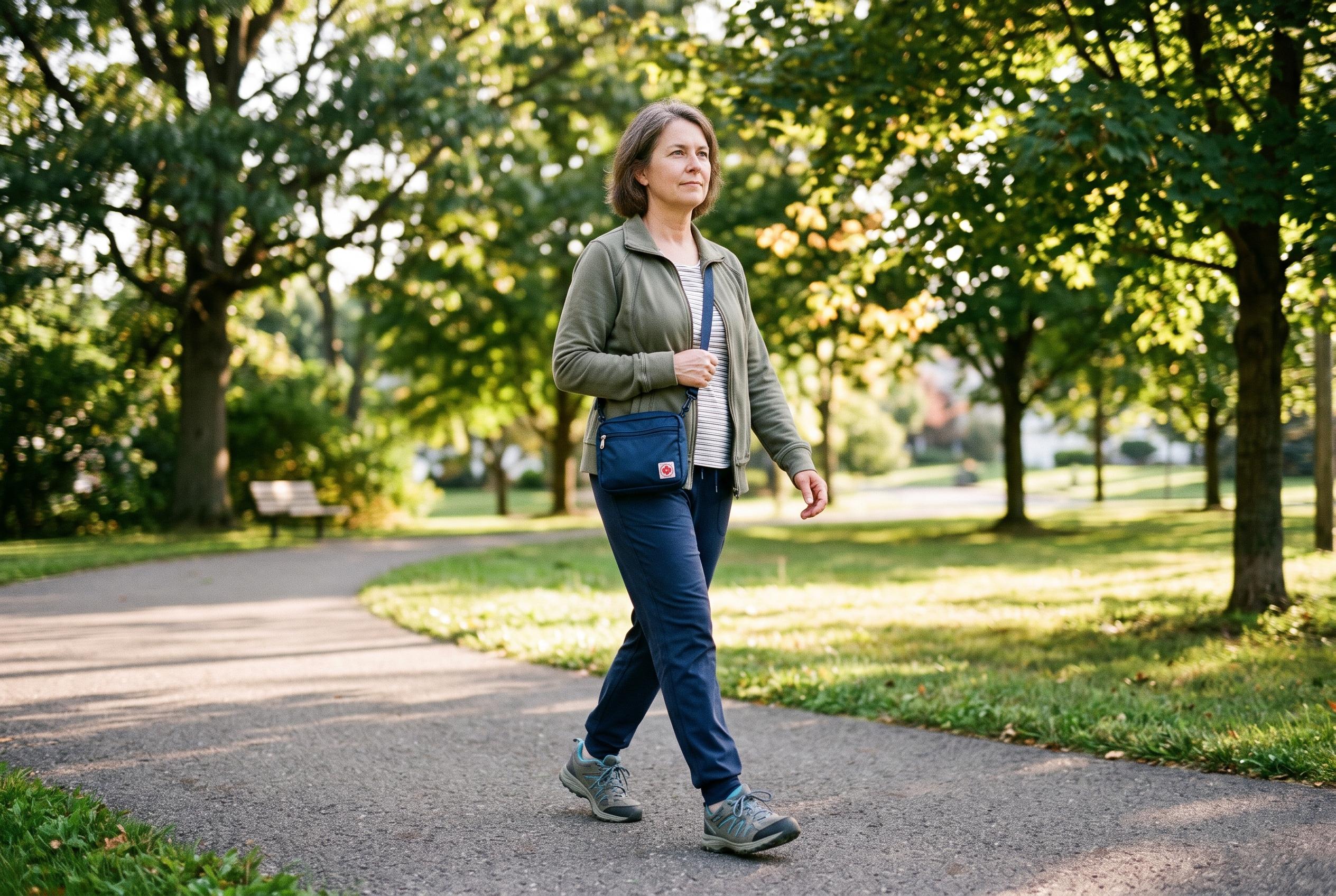
Doctors are also making the case on digestive grounds. In a Cleveland Clinic newsroom briefing published in March 2026, gastroenterologist Jessica Philpott said post-meal walking can improve gastric emptying, meaning food moves through the stomach more efficiently. She added that studies suggest walking straight after eating can shorten the time food sits in the stomach and may ease symptoms including excessive fullness, reflux and abdominal pain. Philpott said there is no single rule for everyone, but suggested that walking within 15 to 30 minutes can be helpful, particularly after heavier meals. For people who cannot manage a proper walk, she said simply standing up or moving around the house may still help.
That does not mean the evidence is settled or that everybody will feel better for heading outdoors after supper. Medical News Today, in a medically reviewed explainer, says research on walking specifically after meals remains limited overall. It notes that while gentle activity may help with blood glucose, gas, bloating, sleep and heart health, some people can experience indigestion or stomach pain instead. The same article advises taking account of timing, pace and duration, and points out that walking at another time of day still delivers many of the same general health benefits.
Advice on exactly when to exercise is not entirely uniform, especially for people with diabetes who are trying to manage blood sugar safely. Philpott’s recommendation to walk within half an hour of eating sits alongside more cautious guidance from Harvard Health Publishing, which says the best time to exercise is generally one to three hours after a meal, when blood sugar is likely to be higher. That difference is less contradictory than it first appears: a gentle stroll for digestion is not the same as a more deliberate workout, and clinicians repeatedly stress that personal response, medication use and the size of the meal all matter.
The strongest cautions apply to people taking insulin or other glucose-lowering medicines. Cleveland Clinic warns that exercise can push blood sugar too low, even if a short walk is unlikely to trigger that on its own. Knapp says a reading below 70 mg/dL is typically in the hypoglycaemic range. Harvard Health advises people who use insulin to test before exercising, and says that if blood sugar is below 100 mg/dL, a small snack such as fruit may help prevent a dangerous drop. Both sources recommend speaking to a clinician before making major changes to an exercise routine.
Mayo Clinic sets out the safety guidance in even more detail. It advises people taking insulin or medicines linked to low blood sugar to check levels 15 to 30 minutes before exercise and again afterwards. Its general pre-exercise ranges say blood sugar below 90 mg/dL may be too low for safe activity without carbohydrates first, while 126 to 180 mg/dL is a range in which a person is ready to exercise. Mayo also says activity should stop if blood sugar falls to 70 mg/dL or lower, or if someone feels shaky, weak, dizzy or confused. Importantly, it adds that low blood sugar can occur four to eight hours after exercise, so the effect is not always over when the walk ends.
For people living with diabetes, major organisations frame movement after meals as one tool among many, not as a replacement for treatment. The American Diabetes Association says food often has the biggest effect on blood sugar and that consistency with meals, medication and eating patterns makes a “huge difference”. In the same article, it says movement helps because muscles use more glucose and become more sensitive to insulin, and adds that fitting activity into the day can be “as easy as taking walks after meals or during phone calls”. It also links blood sugar management to sleep and stress, widening the picture beyond exercise alone.
That broader context matters because short walks are attractive largely because they are realistic. A lap round the block after dinner may be easier to repeat than a demanding daily training plan, and experts say repeatable habits often count for more than ambitious ones that are quickly abandoned. Even so, Knapp cautions that a post-meal stroll is “not a magical solution for diabetes”. The current medical view is closer to this: if a gentle walk after eating feels comfortable and fits safely with your health needs, it may help with blood sugar and digestion, but it works best as part of a wider routine rather than as a standalone fix.
Disclaimer: This content is for informational purposes only and is not intended to be a substitute for professional medical judgment, advice, diagnosis, or treatment.