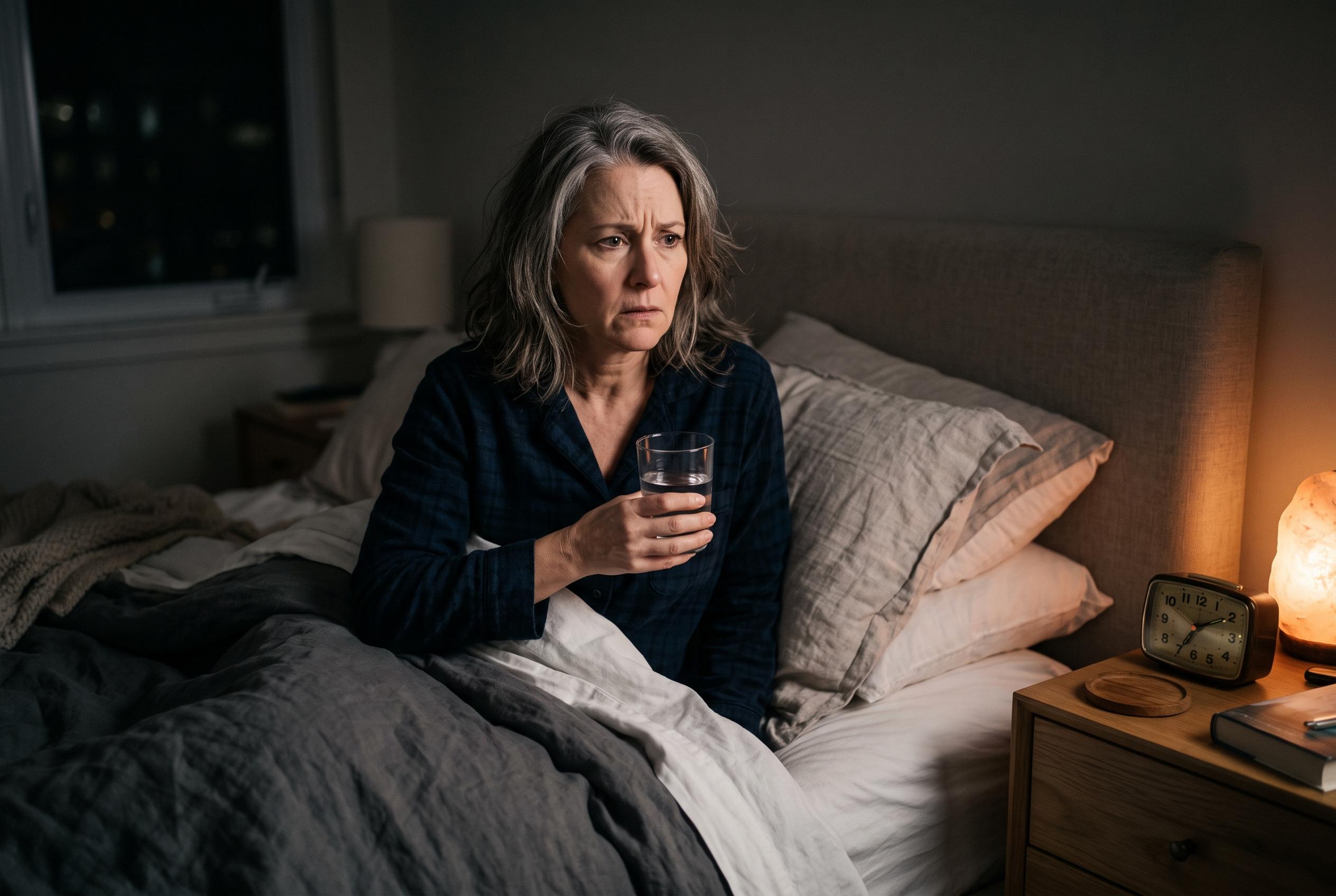

Emerging research highlights the importance of recognising night-time symptoms such as frequent urination and dehydration as potential early signs of type 2 diabetes, encouraging proactive health checks to prevent complications.
Night-time symptoms can sometimes offer early clues to type 2 diabetes, a condition that develops when blood sugar stays too high because the body does not use insulin properly or does not make enough of it. The Cursor article says the disorder is the most common form of diabetes, while the National Institute of Diabetes and Digestive and Kidney Diseases and the Mayo Clinic both note that it often builds slowly and can go unnoticed for years.
Among the signals most likely to appear after dark are frequent urination, waking with headaches and intense thirst. Health authorities including the CDC say these are classic warning signs of diabetes, and they make sense biologically: excess glucose draws fluid out of the body, which can lead to dehydration, interrupted sleep and a dry mouth overnight.
The article also points to other possible clues, including irritability, anxiety, clammy skin, morning confusion, rapid breathing and a strong heartbeat. Healthline and Mayo Clinic both list fatigue, persistent thirst and frequent urination among the more common symptoms, with some people also experiencing blurred vision, slow-healing cuts or hunger that does not ease.
Risk is higher in people with a family history of type 2 diabetes, as well as those living with obesity, low physical activity, high blood pressure, high cholesterol or polycystic ovary syndrome, according to the Cursor article and the NIDDK. The CDC also says the disease can affect children, teenagers and younger adults, though age remains one of the recognised risk factors. Lifestyle changes such as maintaining a healthy weight and staying active can lower risk, but they do not remove it entirely.
Disclaimer: This content is for informational purposes only and is not intended to be a substitute for professional medical judgment, advice, diagnosis, or treatment.