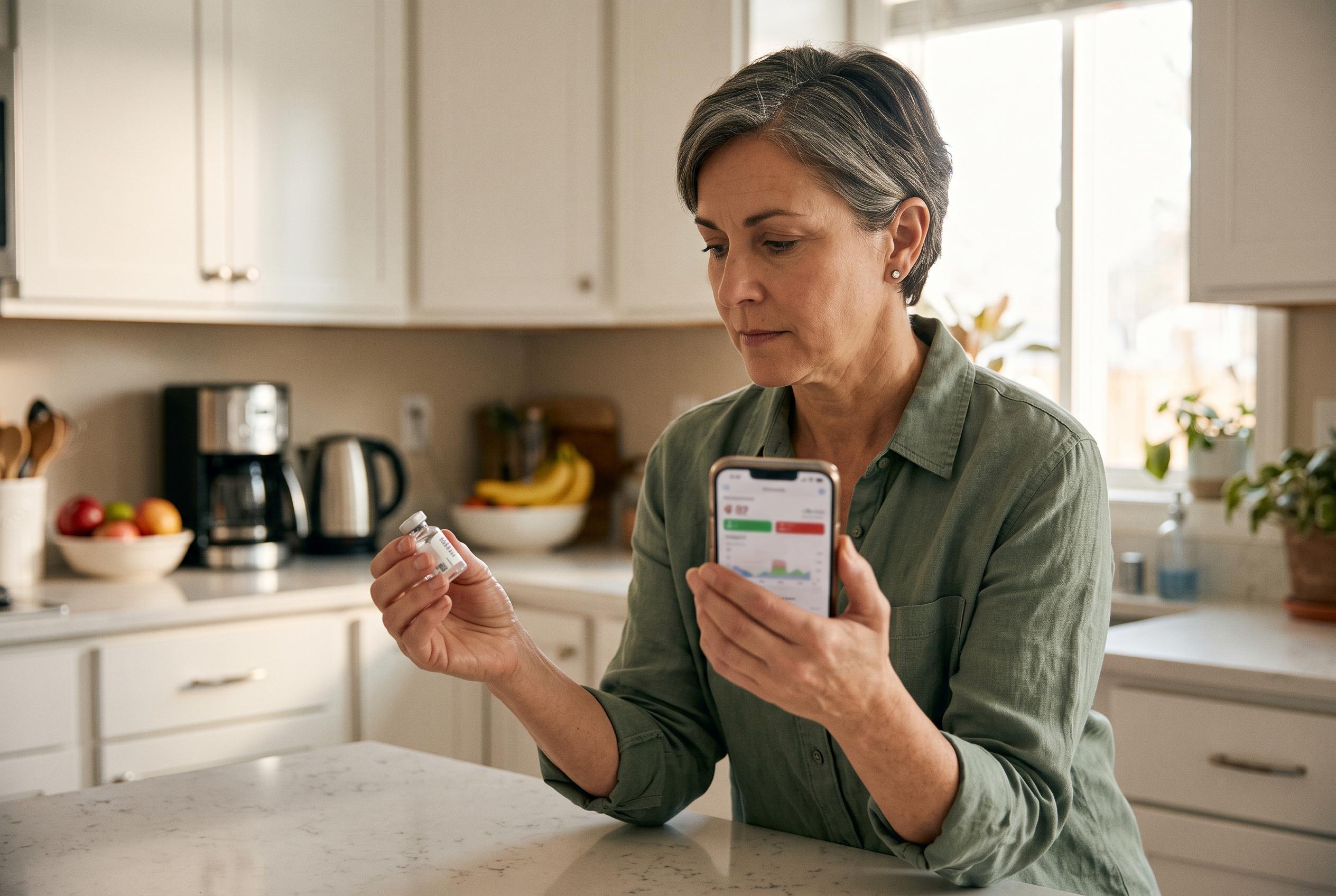

A Yale-led study finds GLP-1 receptor agonists may lower insulin use in some type 2 diabetes patients but do not significantly increase the likelihood of stopping insulin entirely, highlighting ongoing challenges in medication management.
A Yale-led study has found that GLP-1 drugs may help some people with type 2 diabetes lower their insulin use, but they do not appear to help patients stop insulin any more often than other common diabetes medicines. The research, published in Annals of Internal Medicine and based on U.S. Veterans Affairs health records, adds nuance to a fast-growing debate over where GLP-1 receptor agonists fit in diabetes care.
The team reviewed three years of records from 8,869 matched groups of veterans who were already using basal insulin and had started one of three treatments: a GLP-1 receptor agonist, an SGLT-2 inhibitor or a DPP-4 inhibitor. Most of the GLP-1 users were taking semaglutide, dulaglutide or liraglutide. Insulin discontinuation was defined as a gap of at least 12 months between prescription refills.
By the end of follow-up, 16.7% of patients who began a GLP-1 medicine had stopped insulin, compared with 17.9% of those on an SGLT-2 inhibitor and 17.1% of those on a DPP-4 inhibitor. That suggests GLP-1 treatment did not confer a clear advantage when the goal was getting off insulin altogether.
Kasia Lipska of Yale School of Medicine said in a news release that the picture is complicated because patients often change or add medicines over time. She said much of diabetes training focuses on starting and adjusting insulin rather than withdrawing it, and argued that doctors still have limited guidance on when it is safe to taper or stop treatment. The study also had limits: it was not a randomised trial, treatment regimens could shift during the follow-up period and patients did not reach the higher GLP-1 doses now in use.
The findings fit with a wider body of research showing both the promise and the practical limits of GLP-1 medicines. A JAMA Network Open study found substantial discontinuation rates among people using GLP-1 drugs for obesity or type 2 diabetes, while research in The Lancet Regional Health Europe reported notable stopping and restarting rates for both GLP-1 and SGLT-2 therapies. Together, those studies suggest that even effective diabetes medicines can be difficult to sustain in real-world care. Other research has also shown that GLP-1 drugs can reduce insulin requirements and improve glucose control, but they do not necessarily make it easy for patients to come off insulin completely.
Disclaimer: This content is for informational purposes only and is not intended to be a substitute for professional medical judgment, advice, diagnosis, or treatment.