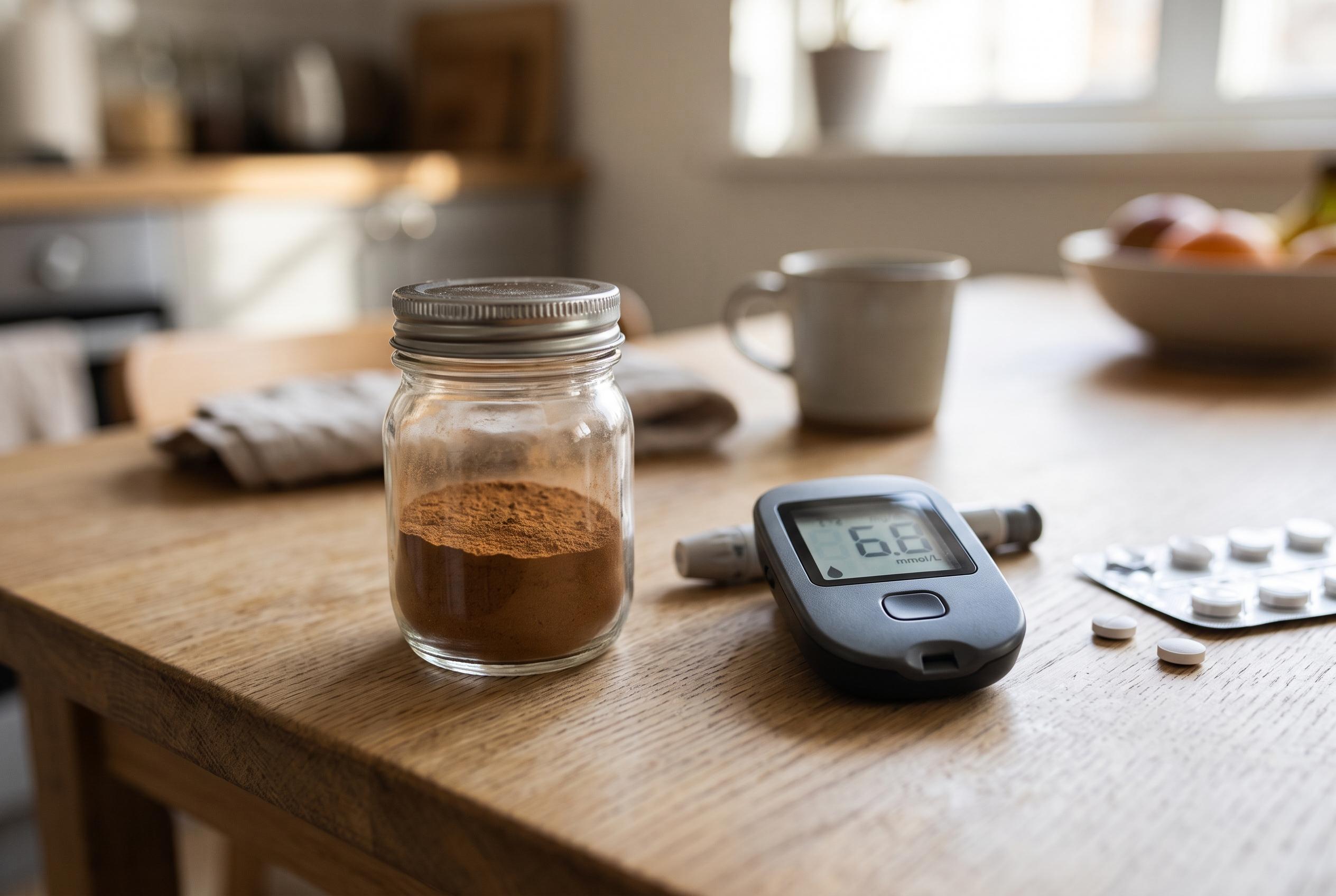

While some studies suggest cinnamon may help lower blood glucose levels and improve insulin response, health experts emphasise it is not a substitute for standard diabetes treatments, highlighting the need for caution and medical oversight.
Cinnamon has long been promoted as a simple way to help manage blood sugar, but the evidence is more modest than the hype suggests. Health experts cited by Healthline and the Mayo Clinic say the spice may improve how the body responds to insulin, which could help lower glucose levels in some people with type 2 diabetes. Even so, they stress that cinnamon is not a substitute for prescribed medicine, diet changes or exercise.
Studies reviewed by Healthline and Cleveland Clinic have found that cinnamon may reduce fasting blood sugar, a measure taken after not eating, and may also have a small effect on HbA1c, the longer-term marker used to assess average glucose levels over about three months. Some research also suggests it could slow stomach emptying and interfere with enzymes that break down carbohydrates, which may help blunt rises in blood sugar after meals.
The picture is still mixed. The Mayo Clinic says trials have used different types and doses of cinnamon, which makes results hard to compare, while Cleveland Clinic notes that some studies have also reported improvements in triglycerides, LDL cholesterol and total cholesterol. A meta-analysis indexed by PubMed found that cinnamon supplementation significantly lowered fasting blood glucose in people with type 2 diabetes and prediabetes, but researchers have not treated that as proof that cinnamon can replace standard treatment.
The practical takeaway is that cinnamon may have a modest role as part of a broader diabetes plan, not as a stand-alone remedy. For people interested in trying it, the evidence supports caution, consistency and medical oversight rather than the idea of a quick fix.
Disclaimer: This content is for informational purposes only and is not intended to be a substitute for professional medical judgment, advice, diagnosis, or treatment.