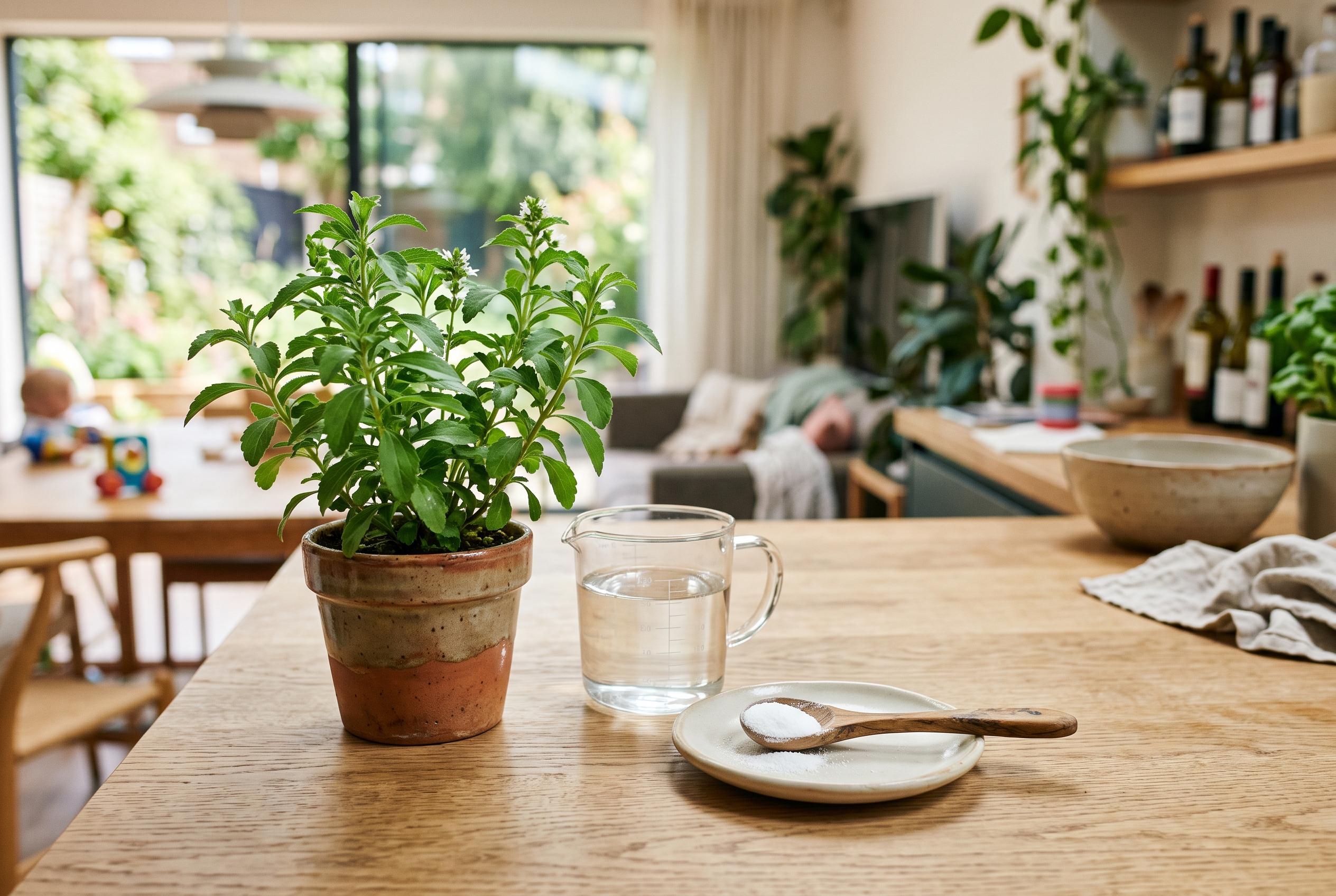

Stevia, a plant known for its sweet leaves, is gaining traction as a low-calorie, sugar-free alternative that can be easily cultivated at home, but health experts advise moderation and consultation for diabetics.
Stevia, the plant often called sweet basil or “meethi tulsi” in South Asia, is increasingly being promoted as a home-grown alternative to sugar. According to Stevia.org, its sweet compounds do not raise blood glucose in the same way as ordinary sugar, and some research suggests they may even help support insulin activity. But health experts also caution that it should not be treated as a cure-all, and anyone with diabetes should check with a clinician before making major dietary changes.
Medical News Today says stevia is made from compounds known as steviol glycosides, which are far sweeter than table sugar but contain little or no energy. That makes it appealing to people trying to reduce calories or manage blood sugar. The same reporting also notes possible downsides, including stomach upset in some people, so moderation remains important even for a natural sweetener.
For gardeners, stevia is relatively simple to grow at home. Homes and Gardens says the plant does best in warm conditions, with plenty of light, well-drained soil and regular watering without waterlogging. A healthy cutting or young plant can be started in a pot, making it suitable for balconies, terraces and small kitchen gardens. Pinching back the top growth helps the plant become bushier and produce more leaves.
Once established, the leaves can be harvested, used fresh, or dried and ground into a powder for tea, coffee or desserts. That practical appeal helps explain why stevia is attracting attention beyond the diabetes community: it offers a way to add sweetness while avoiding some of the drawbacks of sugar. Still, as WebMD notes, it is best viewed as a substitute, not a licence for unlimited sweetness.
Disclaimer: This content is for informational purposes only and is not intended to be a substitute for professional medical judgment, advice, diagnosis, or treatment.