
Jessie Inchauspé, known as the ‘Glucose Goddess’, advocates simple dietary adjustments like meal timing and food order to curb glucose spikes, potentially reducing the risk of chronic health issues linked to high blood sugar.
Jessie Inchauspé, the biochemist and author behind “Glucose Revolution”, says one of the simplest ways to blunt blood sugar swings is not to give up carbohydrates, but to change when and how they are eaten. Speaking on Jay Shetty’s podcast, the social media figure known as the “Glucose Goddess” argued that the biggest problem is not glucose itself, but the speed and size of the spike it creates when starches or sweets are eaten on an empty stomach.
Her case reflects a wider body of research showing that repeated high glucose exposure can strain cells in ways that go beyond short-term energy balance. Studies on pancreatic beta cells have linked high glucose to oxidative stress, lower ATP production and impaired insulin secretion, while reviews in Nature have described how sustained hyperglycaemia can damage neurons through oxidative and nitrosative stress. Other work has found that glucose-driven oxidative stress and advanced glycation end-products, or AGEs, are implicated in chronic tissue damage associated with diabetes.
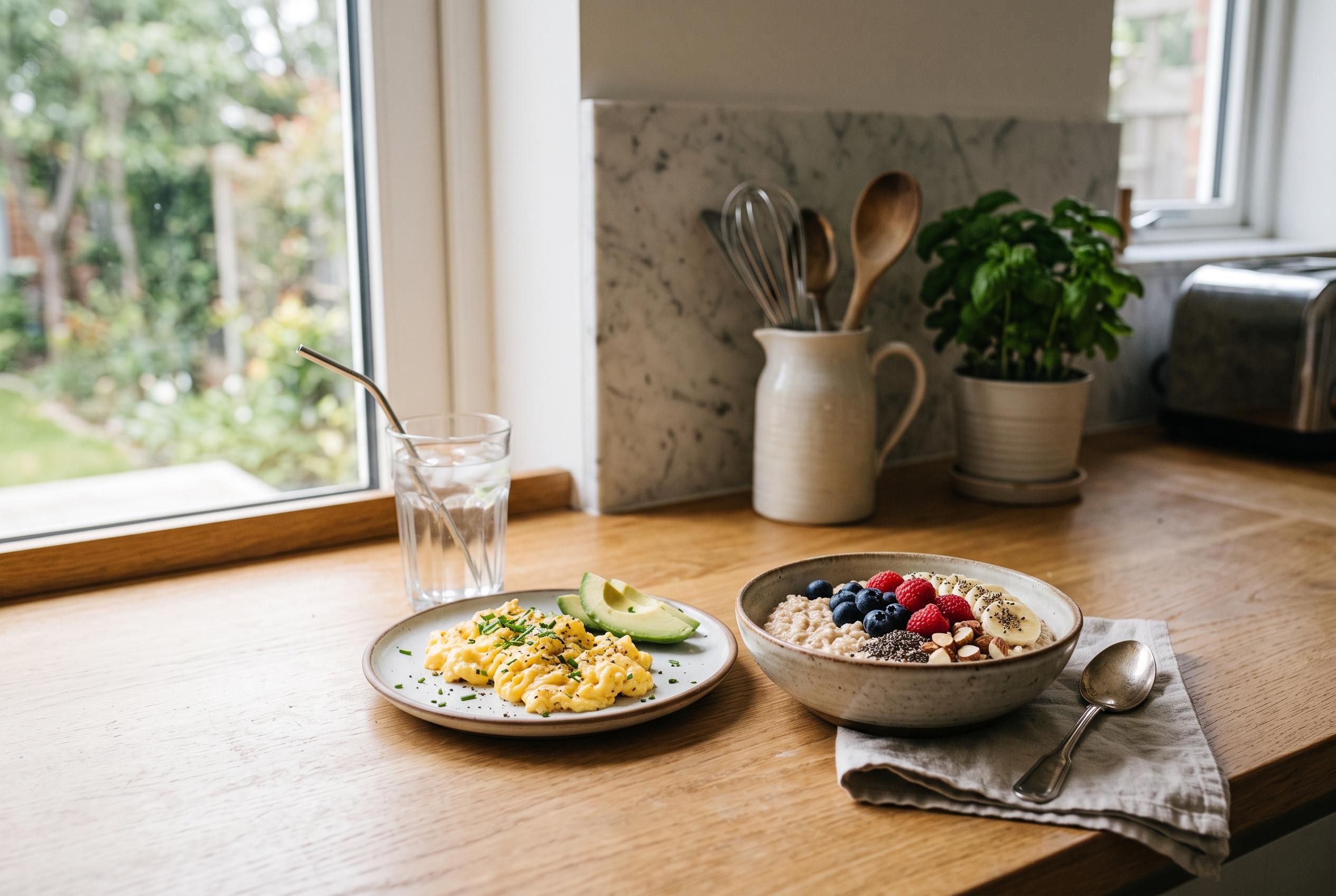
Inchauspé places particular emphasis on breakfast. She says a sugary start to the day, such as juice and sweet pastries, can be followed by a sharp crash that leaves people tired, hungry and more likely to crave more sugar. Her preferred alternative is a savoury meal built around protein, such as eggs, cheese, tofu, fish or yoghurt, alongside fats and, if desired, some bread. Dessert, she argues, is better left until after lunch or dinner, when food in the stomach slows the rate at which glucose reaches the bloodstream.
She also points to the order in which food is eaten. Research from Weill Cornell Medicine found that eating protein and vegetables before carbohydrates led to lower post-meal blood sugar and insulin levels than the reverse order. Inchauspé says the fibre in vegetables forms a kind of buffer in the gut, slowing absorption of the rest of the meal. That idea is consistent with laboratory findings showing that high glucose can damage cells more severely when exposure is prolonged, and that glucose-related oxidative stress plays a part in diabetic complications.
Her final advice is aimed at label readers and snackers. If sugar appears among the first five ingredients on a packet, she says, the product should be treated as a dessert rather than an everyday food. She also urges people never to eat carbohydrates on their own, but to “dress” them with protein, fat or fibre, such as avocado, cheese, nuts or Greek yoghurt. Inchauspé says these changes can reduce cravings, irritability and fatigue, while reminding listeners that type 2 diabetes is not necessarily a life sentence and can, in some cases, be put into remission with diet changes and medical support.
Disclaimer: This content is for informational purposes only and is not intended to be a substitute for professional medical judgment, advice, diagnosis, or treatment.