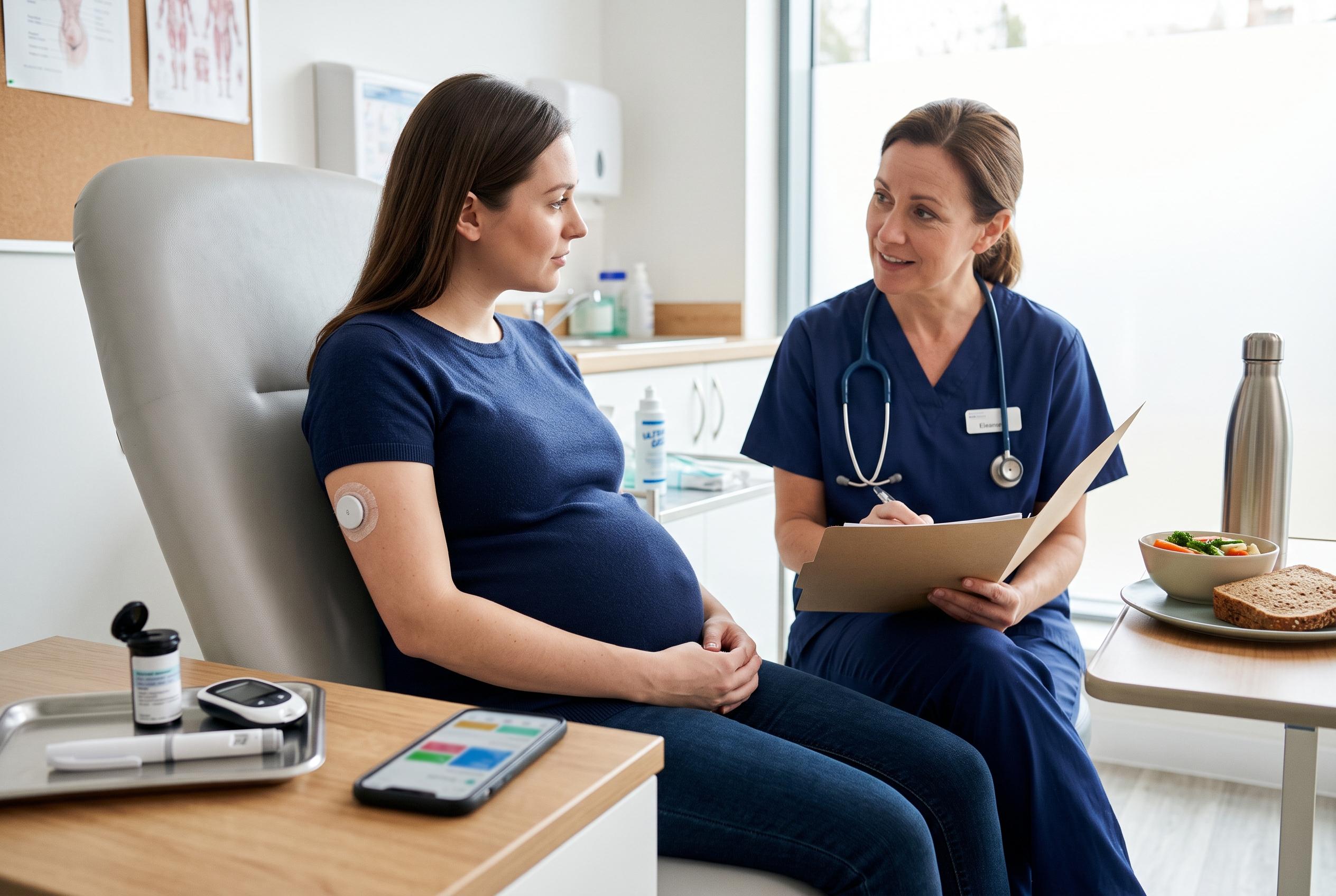

A new European research initiative aims to evaluate the real-world implementation of a smartphone-based coaching programme designed to help pregnant women at risk of gestational diabetes, focusing on integration across diverse health systems and establishing a practical toolkit for widespread adoption.
A new European study will test whether a smartphone-based coaching programme can help pregnant women at risk of gestational diabetes and, crucially, whether the model can be delivered reliably in routine maternity care.
Published in PLOS One, the protocol centres on Bump2Baby and Me Plus, or B2B&Me+, a hybrid implementation-effectiveness project running in Ireland, Spain, Norway and Poland. The study builds on an earlier trial of the Bump2Baby and Me intervention, which reported lower rates of gestational diabetes, better metabolic measures and improved breastfeeding outcomes among participants. The new project is designed to answer a different question: not simply whether the approach can work, but how well it can be embedded across health systems with different screening pathways, staff structures and digital infrastructure.
The intervention uses the Monash Machine Learning Gestational Diabetes Screening Tool to identify women at risk early in pregnancy. Those who qualify in the intervention period will be offered access to a coaching app that combines live sessions, text and video messaging, self-monitoring through Bluetooth-enabled scales and postpartum support lasting up to nine months after birth. Researchers will compare this active period with two usual-care blocks and will also test four referral methods to see which produces the best uptake, including point-of-care referral and leaflet-based signposting, each with and without follow-up calls. Reach, adoption, implementation and maintenance will be assessed using the RE-AIM framework, while interviews and focus groups will use Normalisation Process Theory to explore what helps or hinders the programme becoming routine practice.
The project’s wider ambition is to produce an implementation toolkit for health services across Europe. That toolkit is expected to cover staff training, governance, delivery pathways, evaluation and cost considerations, reflecting a broader problem in maternity care: promising digital health tools often struggle to move from trial settings into everyday use. The researchers say the study is intended to bridge that gap by showing not only whether the coaching model improves outcomes, but also what it would take to deliver it at scale.
Disclaimer: This content is for informational purposes only and is not intended to be a substitute for professional medical judgment, advice, diagnosis, or treatment.