
The University of Florida Diabetes Institute launched a campus-based screening event and broader programme to enhance early detection of type 1 diabetes, integrating AI, outreach, and research to prevent serious complications.
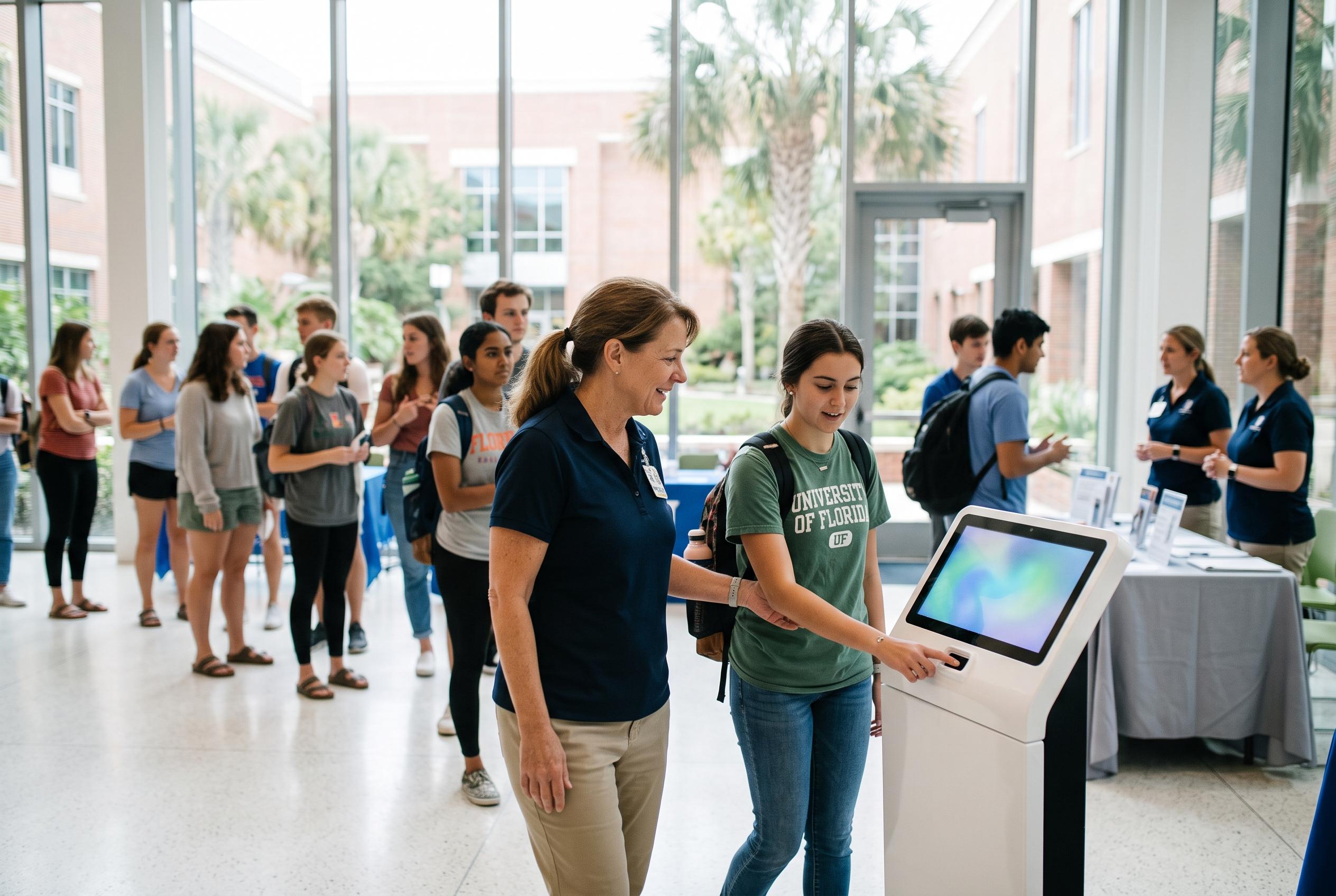
The University of Florida Diabetes Institute held an on-campus screening event on 24 August at Plaza of the Americas, working with the university’s STEPS programme, which stands for Screening, Treatment, Education, Prevention and Support. The effort was aimed at helping identify type 1 diabetes earlier in students who might otherwise never be tested. University staff said the goal is to improve detection before serious complications develop.
That matters because type 1 diabetes is an autoimmune condition that can progress quietly before symptoms appear. The University of Florida says dedicated screening can help catch the disease sooner and may reduce the risk of diabetic ketoacidosis, a dangerous emergency that can become life-threatening if treatment is delayed.
UF’s STEPS programme is broader than a single screening day. According to the university, it combines population screening with outreach, personalised education using artificial intelligence, research into prevention and treatment, and training for primary care providers. The programme says it has screened more than 10,000 people at risk for type 1 diabetes, supported 28 clinical trials and contributed to $175 million in project savings.
The approach fits with wider efforts in the field. TrialNet’s Pathway to Prevention offers free blood testing for people aged 2 to 45 with a family history of type 1 diabetes to look for autoantibodies linked to increased risk, while the American Academy of Physician Associates says early detection can lower the chance of diabetic ketoacidosis and may open the door to preventive treatment in preclinical cases. UF’s endocrinology division also points to telemedicine and transition programmes for young adults, and the university recently announced a partnership with Google to expand artificial intelligence work on diabetes education, monitoring and risk detection.
Disclaimer: This content is for informational purposes only and is not intended to be a substitute for professional medical judgment, advice, diagnosis, or treatment.