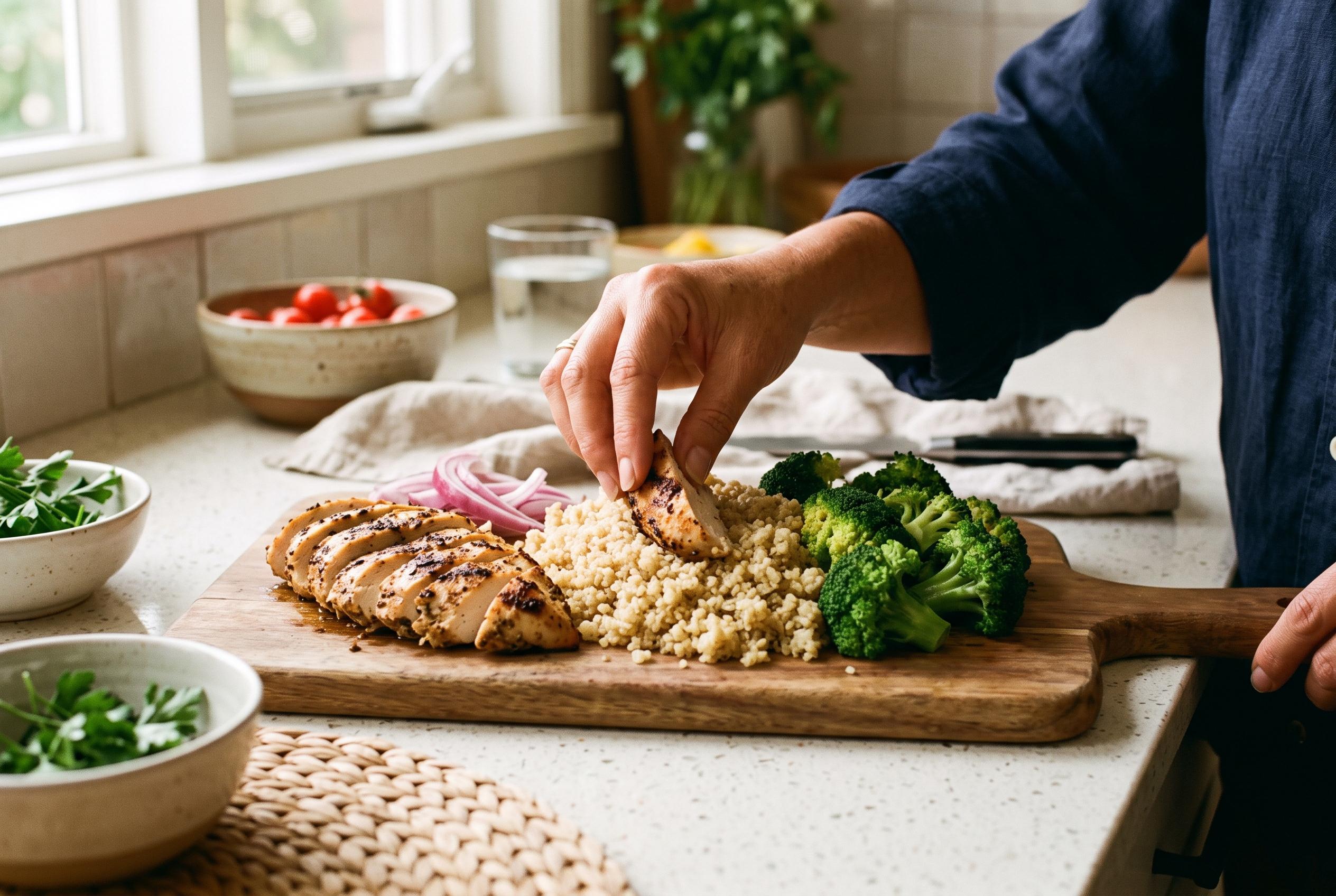

New insights suggest consuming protein alongside carbohydrates and increasing fibre intake could help moderate blood sugar spikes after meals, offering a complementary approach for diabetes management.
Eating protein before or alongside carbohydrate-rich foods may help soften the spike in blood sugar that often follows a meal, according to an article in Thanh Nien based on remarks by Gagandeep Singh, a metabolic medicine and diabetes specialist in India. Research on post-meal glucose responses has also found that protein can slow the rise in blood sugar after eating, particularly when it is consumed with carbohydrate rather than on its own.
That does not mean protein is a cure for diabetes. But evidence reviewed in studies on glucose dynamics suggests that intact proteins, as opposed to free amino acids or heavily processed forms, can help steady blood sugar after meals. Singh said he has seen that the same rice-based meal can produce a gentler glucose curve when protein is eaten first.
Fibre is another key part of the picture. Soluble fibre slows digestion and the absorption of glucose, which can reduce the size of the after-meal rise. Singh pointed to foods such as whole fruit, leafy vegetables and other high-fibre produce as useful options because they add bulk and satiety without delivering the same carbohydrate load as many starchy foods.
Other nutrients may support metabolic health without acting as quick fixes. Magnesium, which is important for insulin signalling and glucose metabolism, is linked to a lower risk of type 2 diabetes when diets contain more of it, according to the National Institutes of Health. Omega-3 fatty acids, found in oily fish and walnuts, may also help by reducing low-grade inflammation associated with insulin resistance.
Iron needs a more cautious approach. Low iron can distort HbA1c readings, making blood sugar control look worse than it really is, and research cited by Thanh Nien says iron deficiency can raise HbA1c without an equal rise in glucose. Singh’s broader message was that food choices can support glucose management, but they should sit alongside medication, portion control, exercise and weight management rather than replace medical treatment.
Disclaimer: This content is for informational purposes only and is not intended to be a substitute for professional medical judgment, advice, diagnosis, or treatment.