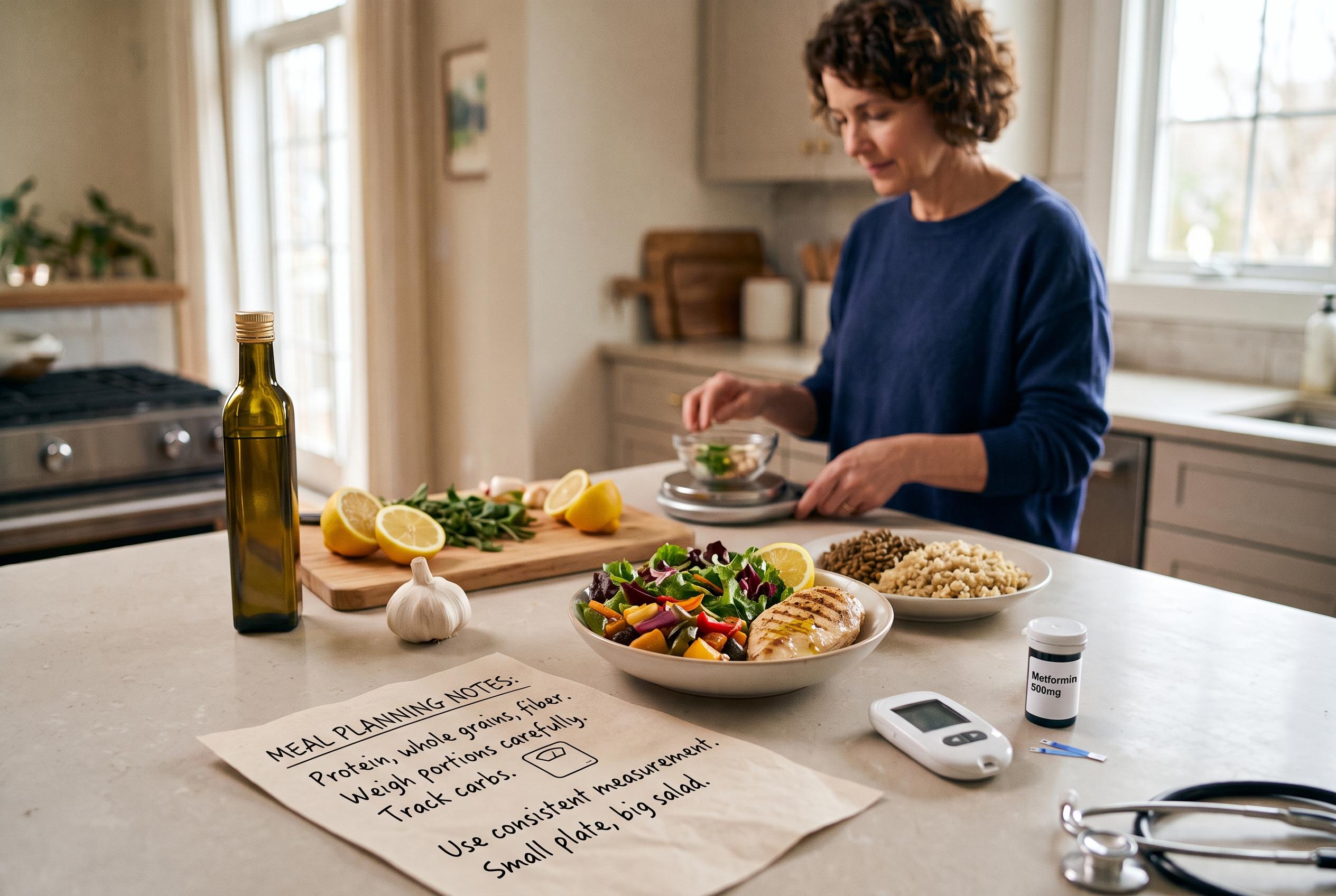

Dr Jedha dispels myths around quick fixes, emphasising a personalised approach in managing type 2 diabetes, and cautions against unsupported supplements like berberine amid ongoing debates about diet and nerve health.
Dr Jedha used a listener question-and-answer episode of the Diabetes Meal Plans podcast to tackle a familiar mix of worries: new diagnosis, supplement use, carbohydrate counting, nerve pain and the emotional burden of diabetes. The central theme was less about quick fixes than about context, with the host repeatedly returning to the idea that type 2 diabetes is shaped by genetics, hormones, insulin resistance, environment and lifestyle rather than blame alone.
One of the strongest messages in the episode was aimed at Cheryl, a listener who had recently been diagnosed with type 2 diabetes and was struggling with guilt. Jedha argued that a diagnosis is not proof of failure, particularly when other risk factors are present, such as polycystic ovary syndrome and a family history of diabetes. That perspective aligns with clinical guidance from major health organisations, which emphasise that diabetes risk is multifactorial and that stigma can make self-management harder rather than easier.
The episode also took on berberine, a supplement that has gained a reputation for helping with blood sugar and weight. Jedha said there is no solid clinical evidence that its effects fade after six months or that it needs to be cycled. That caution is consistent with Cleveland Clinic, which notes possible blood sugar benefits but also warns about side effects, drug interactions and variable supplement quality, and with Harvard Health, which says there is no rigorous evidence supporting berberine as a weight-loss aid. In other words, the supplement may interest some people, but it is not a proven reset button.
Food questions made up much of the discussion. Asked about orzo, Jedha pointed out that it is pasta made from wheat and is still a significant source of carbohydrate, even when served in a dish that feels light or healthy. On legumes, he said they can fit into a lower-carbohydrate plan, but portions matter because beans and lentils are more carbohydrate-heavy than many people assume. That matches nutritional data showing legumes provide both carbohydrate and protein, with fibre and resistant starch helping to blunt glucose rises; soy foods such as tofu and tempeh were described as more diabetes-friendly because they are lower in carbohydrate and higher in protein.
Jedha also addressed resistant starch, a form of starch that resists digestion and can have a smaller impact on glucose. He said some people tolerate it well, but that it should not be treated as automatically blood-sugar neutral. That is broadly in line with the scientific literature, which suggests legumes and cooled starchy foods may have a lower glycaemic effect, but responses still vary from person to person. His practical advice was simple: use glucose readings, especially if someone wears a continuous glucose monitor or tests after meals, to see what actually works.
The final section shifted to nerve pain and the emotional reality of living with diabetes. Jedha said pain in the fingers and arms is not always diabetic neuropathy and should be assessed properly, especially because symptoms often begin in the feet. He also noted that metformin does not treat nerve pain directly, although long-term use can lower vitamin B12 levels, which may itself cause tingling or numbness. The episode closed on a wider warning about weight stigma and blame in healthcare, with Jedha urging listeners to focus on what can be changed from today onwards rather than carrying shame about the past.
Disclaimer: This content is for informational purposes only and is not intended to be a substitute for professional medical judgment, advice, diagnosis, or treatment.