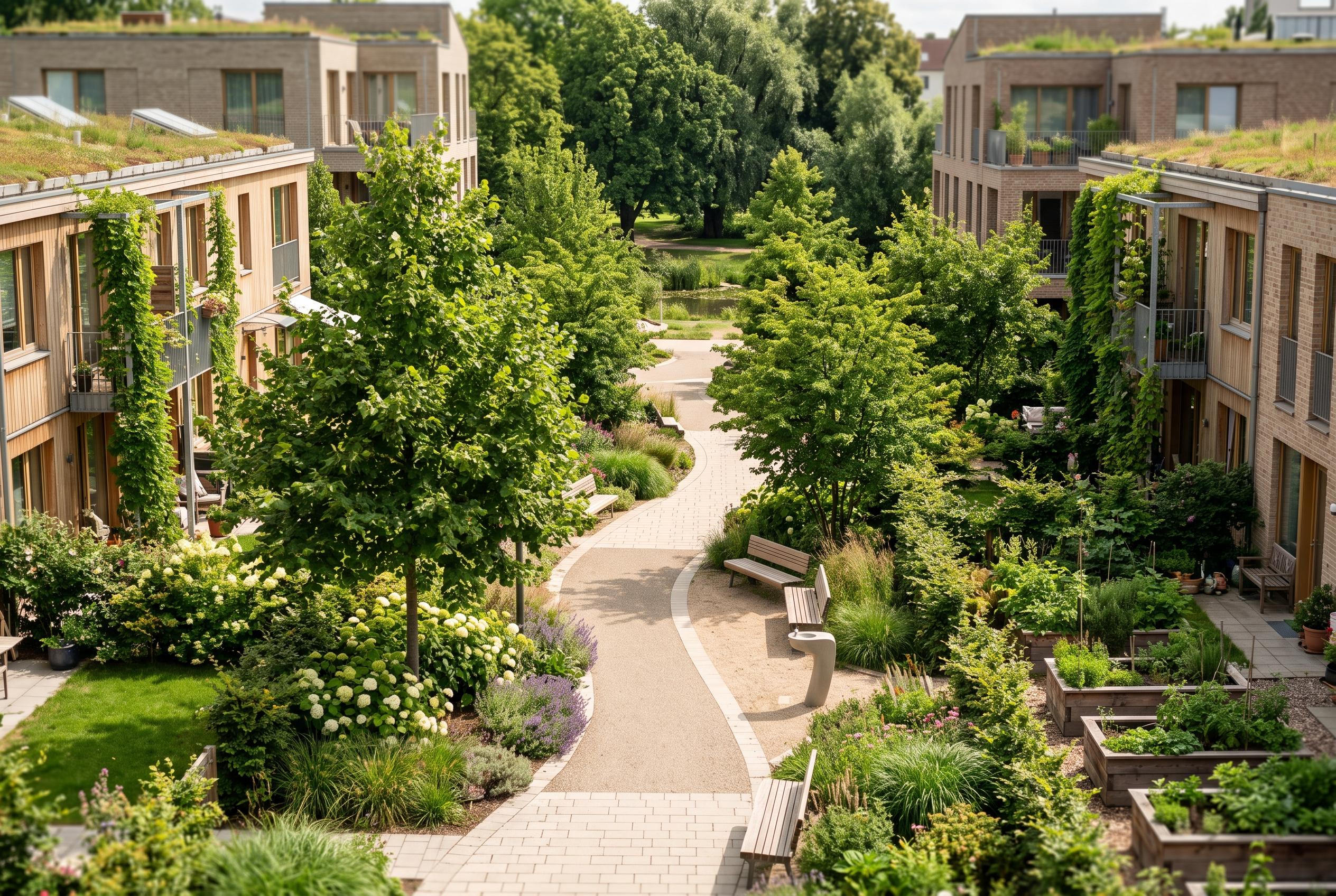

New research indicates that increased green spaces around homes may significantly lower the risk of developing type 2 diabetes, highlighting the importance of urban planning in public health efforts.
Type 2 diabetes is increasingly recognised as a disease shaped not only by genetics and lifestyle, but by the places where people live. A new analysis published in BMC Public Health adds to growing evidence that greener neighbourhoods may help lower the risk of developing the condition, reinforcing the idea that public health is influenced by urban design as much as by clinics and medicine.
Researchers from the University of Queensland and colleagues in the United States analysed data from the UK Biobank, which includes information on more than 400,000 people, alongside detailed mapping of local green space. They found a clear pattern: people with more greenery around their homes were less likely to develop type 2 diabetes. Those with a private garden within 100 metres of home had about a 7% lower risk, while living in a neighbourhood with at least four public parks was linked with a 5.7% reduction.
The findings fit with earlier research. A 2014 study of 267,072 Australian adults, published in PubMed, also found that greater neighbourhood green space was associated with lower diabetes risk. More recent reviews have reached similar conclusions. A July 2023 systematic review covering 13 cohort studies found that higher exposure to green space was linked with a lower incidence of type 2 diabetes, while another review published in 2020 reported connections with more physical activity, less obesity and reduced diabetes risk. A 2022 review of 16 studies found that greener residential environments were associated with lower prevalence and mortality from type 2 diabetes, and a prospective cohort study published in 2022 reported a 21% lower risk among those with greater greenspace exposure.
Researchers say several pathways may explain the association. Green areas can encourage walking, gardening and other forms of movement; previous research has suggested that people in neighbourhoods with more parks exercise for about 24 minutes more each week. Time spent in nature may also reduce stress, support mental wellbeing, increase sun exposure and vitamin D production, and expose people to beneficial microbes in soil and plants. At the same time, the study highlights a social divide: people on lower incomes and with less education are more likely to face diabetes risk and less likely to have access to private gardens or well-kept parks. In that context, the research points to a wider policy question about whether housing and planning decisions are helping or hindering long-term health.
Disclaimer: This content is for informational purposes only and is not intended to be a substitute for professional medical judgment, advice, diagnosis, or treatment.