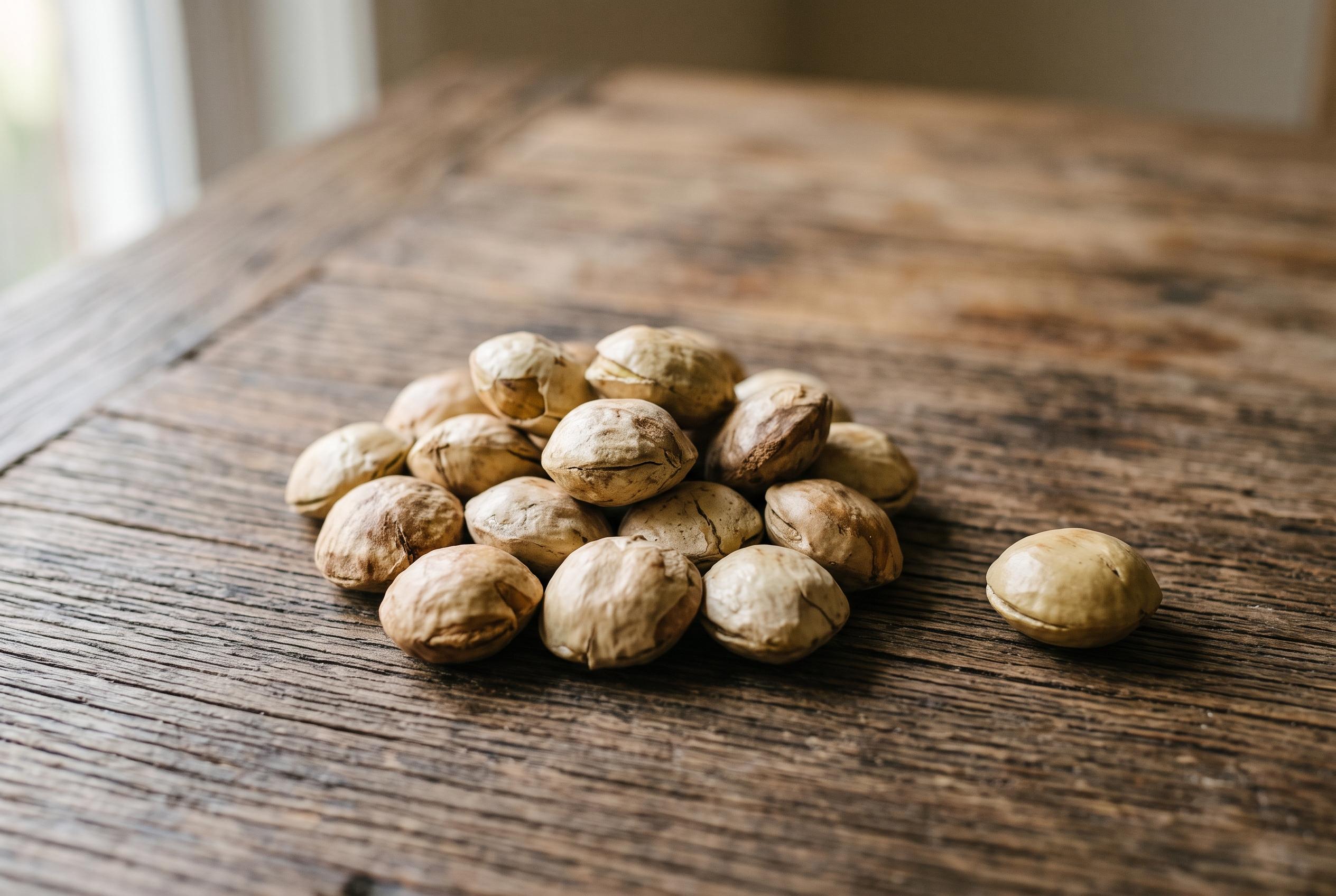

Emerging research indicates that the pungent jengkol bean might help support blood sugar control in people with diabetes. While early findings are promising, health experts emphasise moderation and further human trials before definitive claims can be made.
Jengkol, a pungent bean often avoided because of its strong smell, is drawing attention for a different reason: some Indonesian health sites say it may offer benefits for people with diabetes. Genpi.co, as republished by JPNN, says the food is believed to help keep blood sugar steady, although it also notes that more research is needed before any firm conclusion can be drawn.
That cautious view is echoed by health portals including KlikDokter and Halodoc. Both point to early studies suggesting that jengkol seed extract may lower blood glucose, including research on diabetic rats. The possible explanation, they say, lies in compounds such as flavonoids, triterpenoids and saponins, which may influence how the body handles sugar. Even so, those findings remain preliminary and have not been confirmed in human trials.
Alodokter and Halodoc also say jengkol contains potassium and fibre, which may help support insulin function and slow the absorption of glucose after meals. Halodoc adds that the bean’s relatively low glycaemic index may make it less likely to trigger sharp spikes in blood sugar, while its anti-inflammatory and antimicrobial properties are also often cited as part of its appeal.
At the same time, the same sources warn that jengkol should be eaten in moderation. Excessive intake has been linked to kidney problems because of jengkolic acid, and proper preparation is advised to reduce risk. For people with diabetes, that means jengkol should be treated as an occasional food, not a substitute for medical care, diet advice or prescribed treatment.
Disclaimer: This content is for informational purposes only and is not intended to be a substitute for professional medical judgment, advice, diagnosis, or treatment.