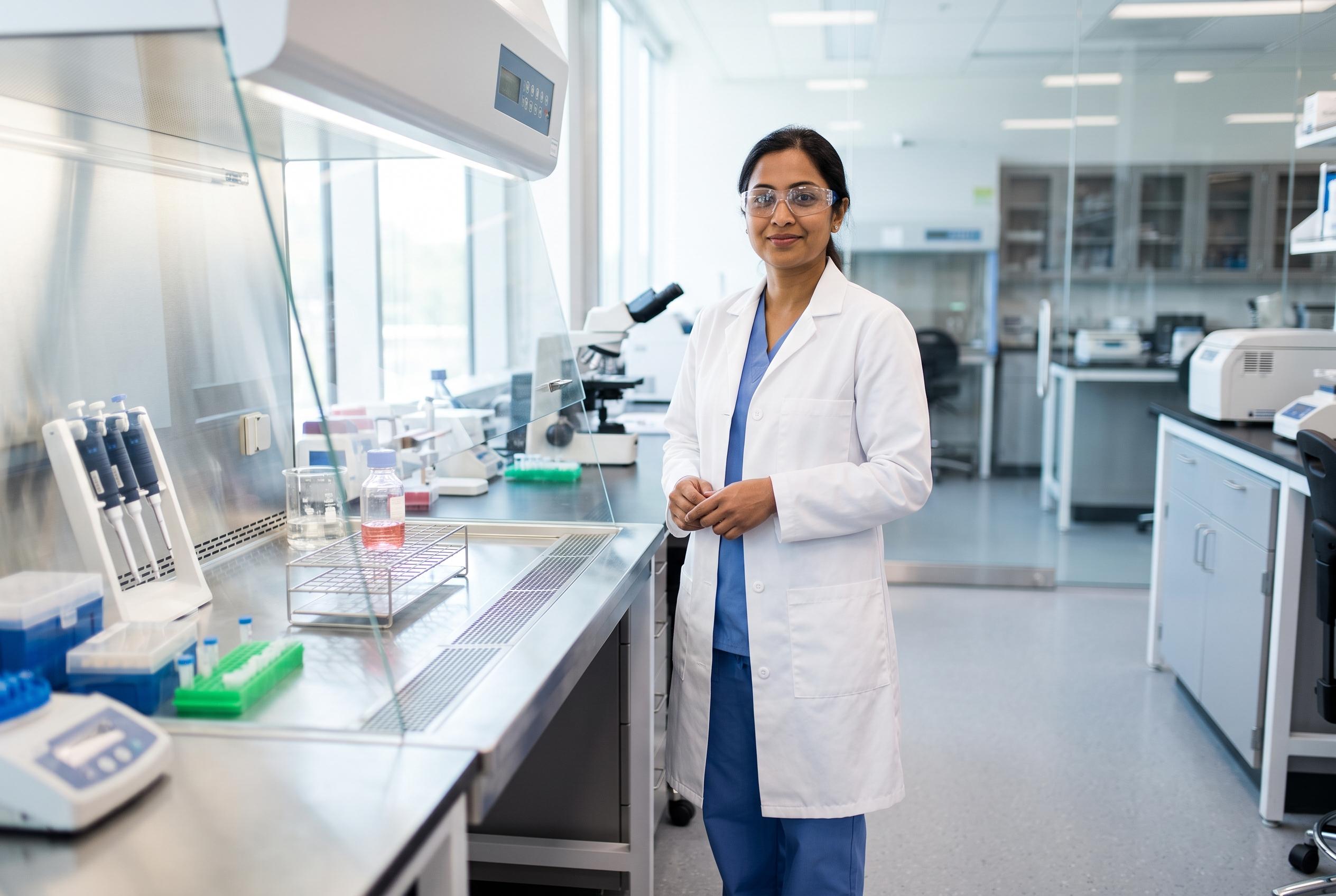

Steve Harr outlines four critical questions for Sana Biotechnology’s gene-modified islet cell therapy to revolutionise type 1 diabetes treatment, highlighting challenges in efficacy, manufacturing scale, safety, and economics.
Steve Harr has set out four questions he believes will determine whether Sana Biotechnology’s gene-modified islet cell therapy can become a meaningful treatment for type 1 diabetes: does it work, can it be scaled, can it be commercialised and how will it be paid for. In a BioPharm International interview, the Sana chief executive said the first real test is whether the therapy can deliver insulin independence at a therapeutic dose, beyond the low-dose immune evasion already reported. He said clearer data should emerge within a year.
The scale challenge, Harr argued, is as important as the science. About 10 million people around the world are living with type 1 diabetes and roughly 500,000 more are diagnosed each year. Even a production run of 100,000 doses annually, if each dose worked perfectly and lasted, would only trim the disease’s global growth rate from about 5% to 4%, he said, underscoring how large a manufacturing footprint would be needed for population-level impact. A recent review in PubMed Central also notes that stem cell-derived beta-cell therapies face major hurdles in scalable, reproducible and GMP-compliant manufacturing.
Safety is another central concern. Harr identified two main risks in stem-cell manufacturing: genetic changes that can arise during cell culture and off-target differentiation, where the final product contains unintended cell types. That second problem, he said, is not a minor defect but a non-negotiable issue for any therapy intended for long-term use. His warning reflects broader concerns in the field about tumour formation, immune complications and the difficulty of producing consistent cell products at scale, as other reviews and market analyses have noted.
Harr also argued that even a highly effective therapy will fail if the economics do not work for patients, insurers, providers and developers at the same time. He said a curative treatment must be commercially viable across the full chain of care or it is unlikely to reach broad adoption. That view aligns with wider industry analysis pointing to the capital intensity of cell therapy manufacturing, high GMP facility costs and difficult reimbursement pathways as some of the biggest obstacles to bringing type 1 diabetes cell therapies to market.
Disclaimer: This content is for informational purposes only and is not intended to be a substitute for professional medical judgment, advice, diagnosis, or treatment.