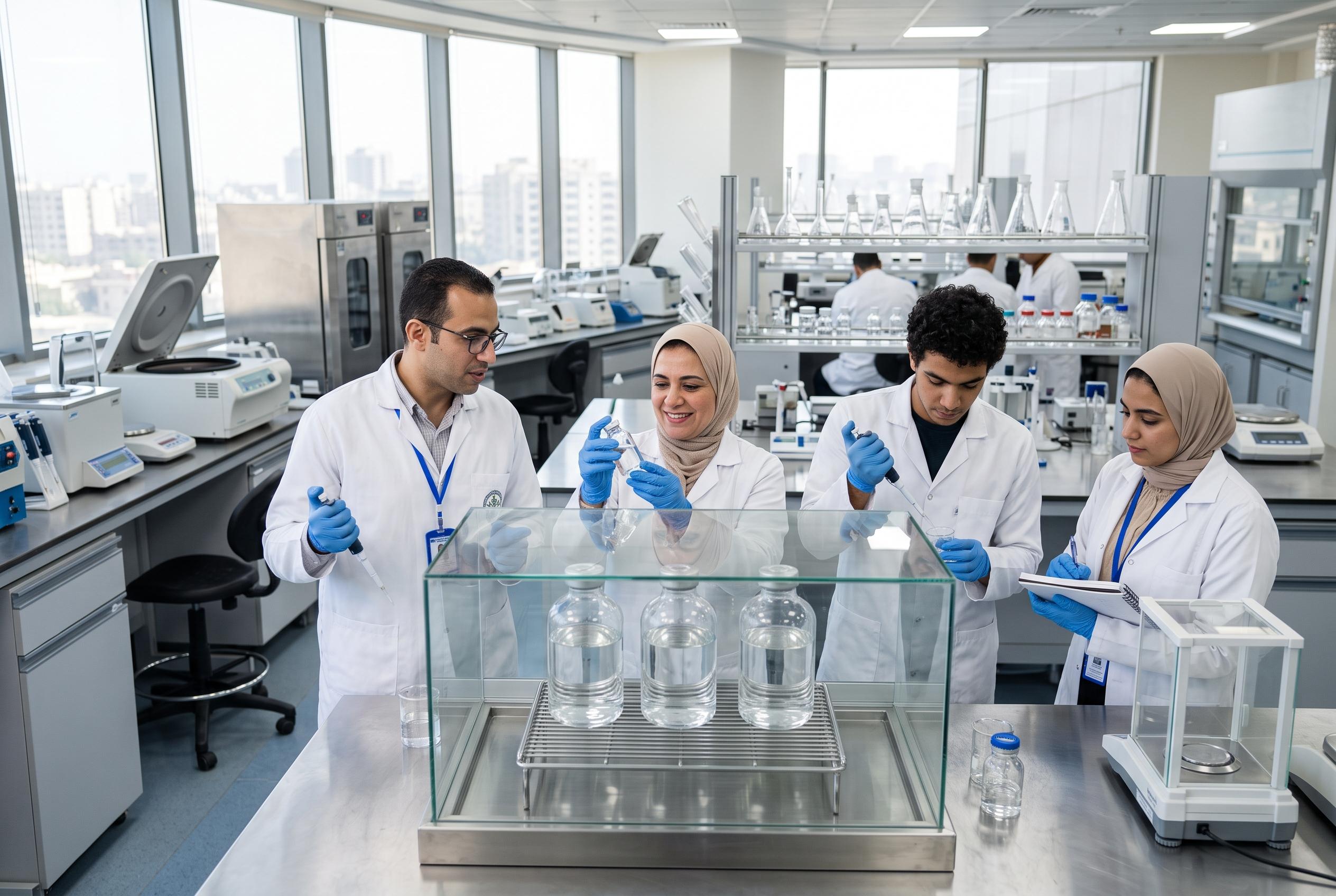

Egypt’s health authorities highlight a strategic shift towards local insulin production, aiming to reduce reliance on imports and secure medicines for its burgeoning diabetic population, with plans to expand exports across Africa.
Egypt’s health minister has said the country’s insulin supply is part of a wider effort to secure the medicines market through more local manufacturing, a broader range of treatments and larger strategic stocks.
Khaled Abdel Ghaffar said in remarks reported by local media that the state’s health insurance and treatment-at-state-expense schemes cover diabetes care for about 2.45 million adults and nearly 60,000 children, with annual spending on diabetes medicines, including insulin and tablets, reaching 4.2 billion Egyptian pounds.
He said the government’s priority is to ensure treatment that is safe, effective and compliant with medical standards rather than to tie patients to one brand. Registered local products, he said, are subject to regulatory controls and are distributed through official care programmes. He added that some patients’ preference for imported insulin, despite the availability of a comparable registered local product, does not necessarily indicate a shortage of active ingredient or a lack of supply.
The remarks come as Egypt continues to push to localise pharmaceutical production. According to the Egyptian State Information Service, the country recently celebrated the first batch of locally made insulin, part of an initiative aimed at cutting the import bill by $30 million. That project has been presented as a partnership between local manufacturers and international partners, with longer-term plans to export to African markets.
State media and other outlets have said Egypt needs about 17 million insulin doses a year and that 15.5% of the population lives with diabetes, including roughly 55,000 children. They also report that the country has about 170 pharmaceutical factories and produces around 90% of the medicines consumed domestically, underscoring the government’s argument that deeper local manufacturing could strengthen supply security while reducing dependence on imports.
Disclaimer: This content is for informational purposes only and is not intended to be a substitute for professional medical judgment, advice, diagnosis, or treatment.