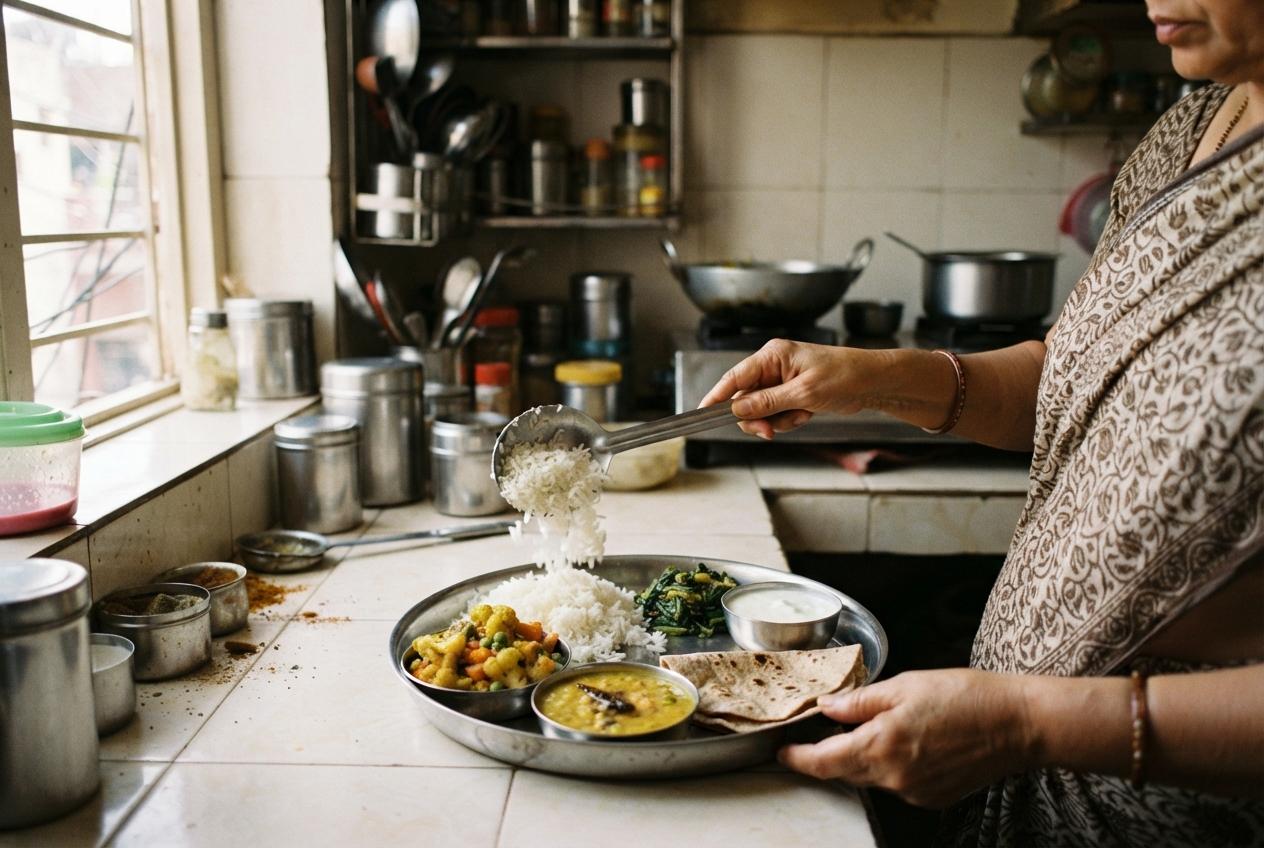

Fortis Healthcare diabetologist Dr Anoop Misra advocates for mindful meal structuring rather than outright avoidance of rice in diabetes management, highlighting food sequencing and portion control as key strategies.
Rice does not need to disappear from a diabetes diet, according to Fortis Healthcare diabetologist Dr Anoop Misra, who argues that the bigger issue is meal structure rather than outright avoidance. Speaking on the Health Podcast with Sonal Mehrotra Kapoor, he said people with diabetes can still eat rice if they are careful about what comes first on the plate and how much they serve themselves.
His approach is a simple form of food sequencing. Dr Misra recommends beginning with vegetables or salad, then adding a modest portion of protein such as dal or rajma before eating rice. He said this “double preload” can help blunt the rise in blood sugar that often follows a rice-heavy meal, because protein and fibre slow carbohydrate absorption.
That advice is broadly consistent with research published in the British Journal of Nutrition, which found that rice eaten with protein sources such as fish, egg white or soya beancurd produced a lower post-meal glucose spike than rice eaten on its own. Dr Misra said the same principle has benefits beyond routine type 2 diabetes management, including for pregnant women with diabetes and children with type 1 diabetes.
He also stressed that portion size matters as much as sequence. If a meal already includes rotis, rice should replace rather than add to them, and brown rice is preferable if rice is the only starch on the plate. Dr Misra added that rice tends to provoke a stronger blood sugar response than roti in many people, although individual reactions vary, which is why regular monitoring remains important. He also advised people not to skip a bedtime snack entirely, saying curd or milk may help steady overnight sugar levels. More broadly, he said remission may be possible for some people diagnosed early, but lasting control depends on habits that can be maintained for life.
Disclaimer: This content is for informational purposes only and is not intended to be a substitute for professional medical judgment, advice, diagnosis, or treatment.