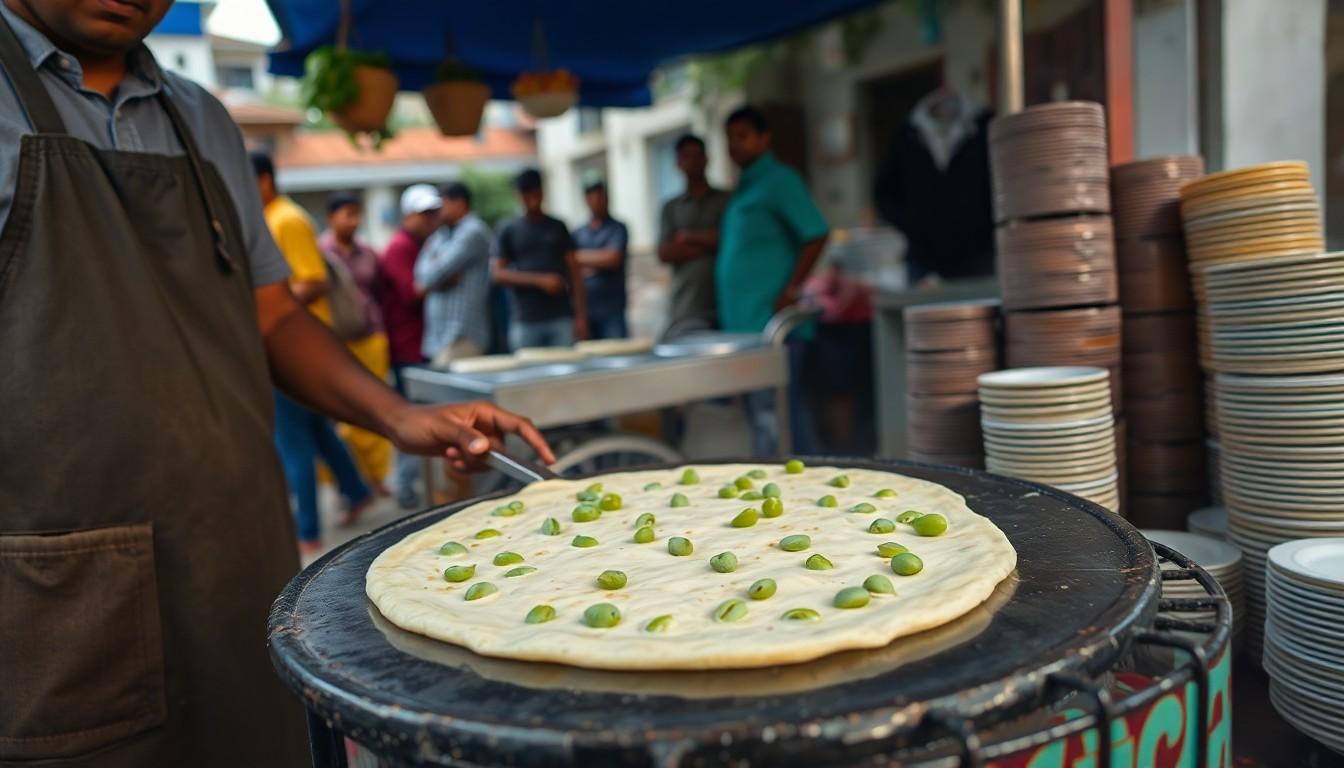

A traditional Karnataka breakfast bread gets a contemporary upgrade with the incorporation of frozen edamame, offering a gluten-free, vegan-friendly option that maintains the dish’s culinary authenticity while embracing seasonal convenience.
Akki roti is one of Karnataka’s most recognisable breakfast breads: an unleavened flatbread made with rice flour, traditionally cooked on a hot tawa and eaten fresh with chutney, palya or sambar. In this version, the recipe takes a modern turn by using frozen edamame in place of hyacinth beans, bringing extra protein and a slightly different seasonal convenience to the dish.
The classic form of akki roti is usually associated with avarekalu, or hyacinth beans, which are especially cherished in Bengaluru during the winter months. Food writers and recipe sites consistently describe the bread as soft in the centre with lightly crisp edges, and note that dill leaves, onion and carrot are common additions that deepen both flavour and texture. Masala akki roti follows the same broad idea, but leans more towards spice and vegetables for a more substantial meal.
The use of edamame is a practical substitute for cooks outside India, where fresh avarekalu can be difficult to source. The recipe here treats the beans as a stand-in for the traditional field beans, and the result is still a gluten-free, vegan-friendly breakfast that works well for brunch as much as for an early morning meal. The idea is simple: mash the beans thoroughly, combine them with rice flour, seasonings and vegetables, then shape the dough by hand rather than rolling it thinly.
That texture matters. Several of the accompanying recipes stress that akki roti should not be dry or stiff; it needs enough moisture to spread easily and enough structure to hold together once it hits the pan. Covered cooking on one side helps trap steam and prevents the flatbread from drying out, while an uncovered finish gives the edges a more appetising bite. Recipes across the board also recommend serving it hot, usually with coconut chutney, and sometimes with a curry or sambar for a fuller plate.
What makes this version appealing is its flexibility. The core formula can be adapted with millet flour, different greens or other vegetables, and the recipe notes suggest alternatives such as cabbage, beetroot, spinach or drumstick leaves. That adaptability has helped akki roti endure as a home-style staple: plain enough for everyday cooking, but varied enough to absorb local ingredients, seasonal produce and personal preference without losing its Karnataka identity.
Disclaimer: This content is for informational purposes only and is not intended to be a substitute for professional medical judgment, advice, diagnosis, or treatment.