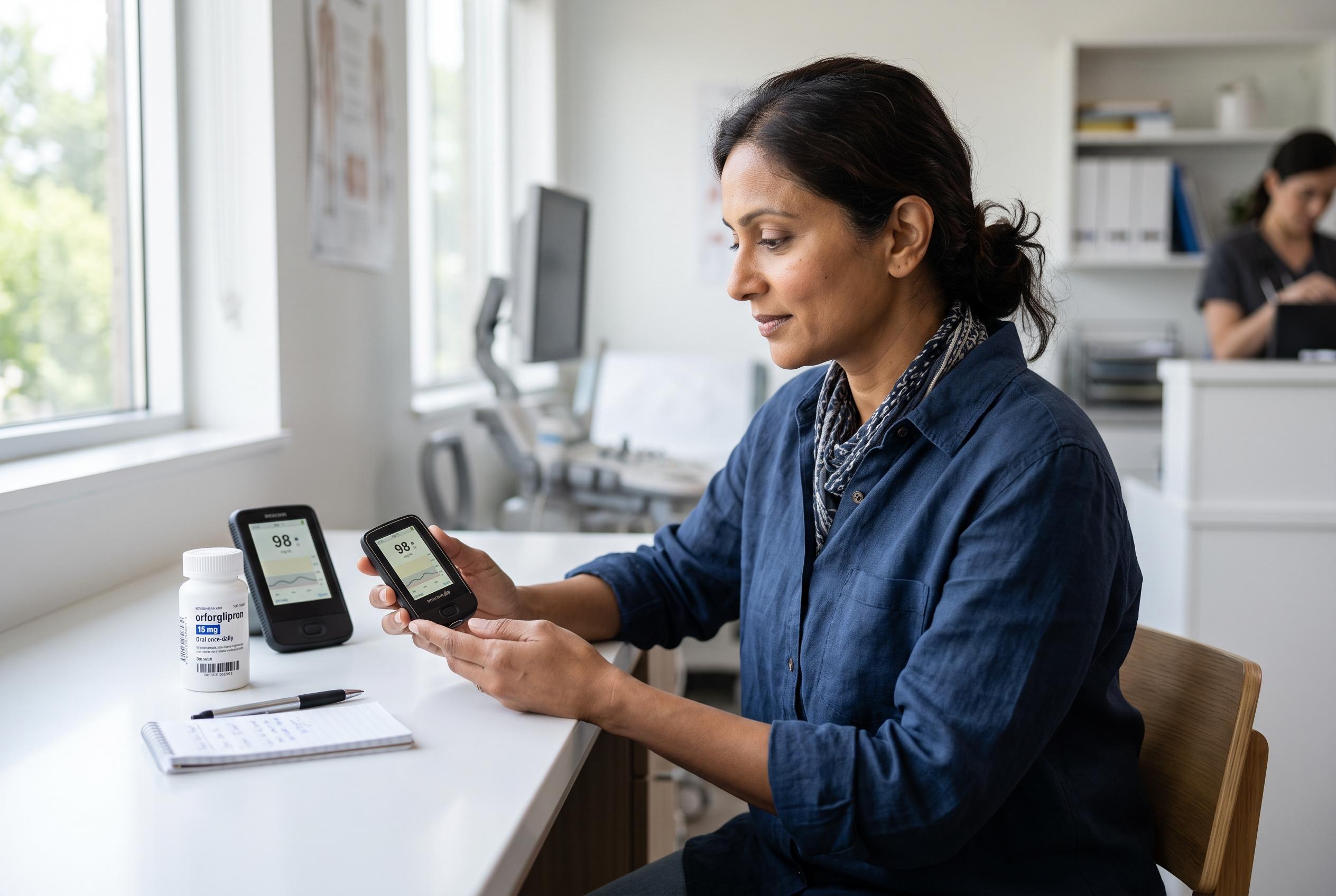

Eli Lilly has filed its oral GLP-1 medication orforglipron with the US FDA, aiming to revolutionise diabetes treatment with a tablet that offers manufacturing ease and potential for increased patient access amidst ongoing supply and regulatory challenges.
Eli Lilly has filed its oral GLP-1 drug orforglipron with the US Food and Drug Administration for type 2 diabetes, adding a new commercial and clinical use for a medicine that is already approved for chronic weight management under the brand name Foundayo. The company disclosed the filing in its second-quarter results, as it continues to build a broader global case for the pill across more than 40 countries.
The significance of the submission goes beyond efficacy. Unlike injectable GLP-1 treatments such as semaglutide and tirzepatide, orforglipron is a small molecule made through conventional chemical synthesis. That matters because pills can be manufactured without the specialised peptide production lines, sterile fill-finish capacity and cold-chain logistics that have constrained supply of injectable drugs for years.
Lilly and industry analysts have long argued that oral GLP-1 medicines could ease one of the central bottlenecks in this market: production. The company said Foundayo was cleared through the FDA’s National Priority Voucher programme and reached patients through a direct pharmacy channel within days of approval. In a separate head-to-head Phase 3 study, Lilly said orforglipron produced stronger blood sugar control and greater weight loss than oral semaglutide, results the company says support its diabetes bid.
Still, manufacturing is only part of the access story. The shortage era also left behind a regulatory mess, including a large market for compounded and counterfeit GLP-1 products. The FDA has warned about unapproved drugs sold with misleading labels and dosing instructions, and patients remain exposed to those risks whenever they turn to sellers offering GLP-1 medicines without a prescription.
Coverage remains the bigger obstacle for many people. Commercial insurers often exclude weight-loss treatment altogether, which is one reason the diabetes application matters: type 2 diabetes is generally a covered indication, while obesity often is not. Lilly’s own earnings showed the gap between demand and reimbursement, with Foundayo generating $98 million in its first full quarter on the market, far below the $14.9 billion brought in by Mounjaro and Zepbound over the same period.
For patients, the oral format could still be meaningful. People with diabetes who struggle with injections, have needle anxiety, or face refrigeration problems may find a tablet easier to use if it is approved and covered. But the filing itself does not change treatment today. The FDA has not announced a decision date, the eventual price is still unknown and patients should not start, stop or switch therapy based on a regulatory submission alone.
Disclaimer: This content is for informational purposes only and is not intended to be a substitute for professional medical judgment, advice, diagnosis, or treatment.