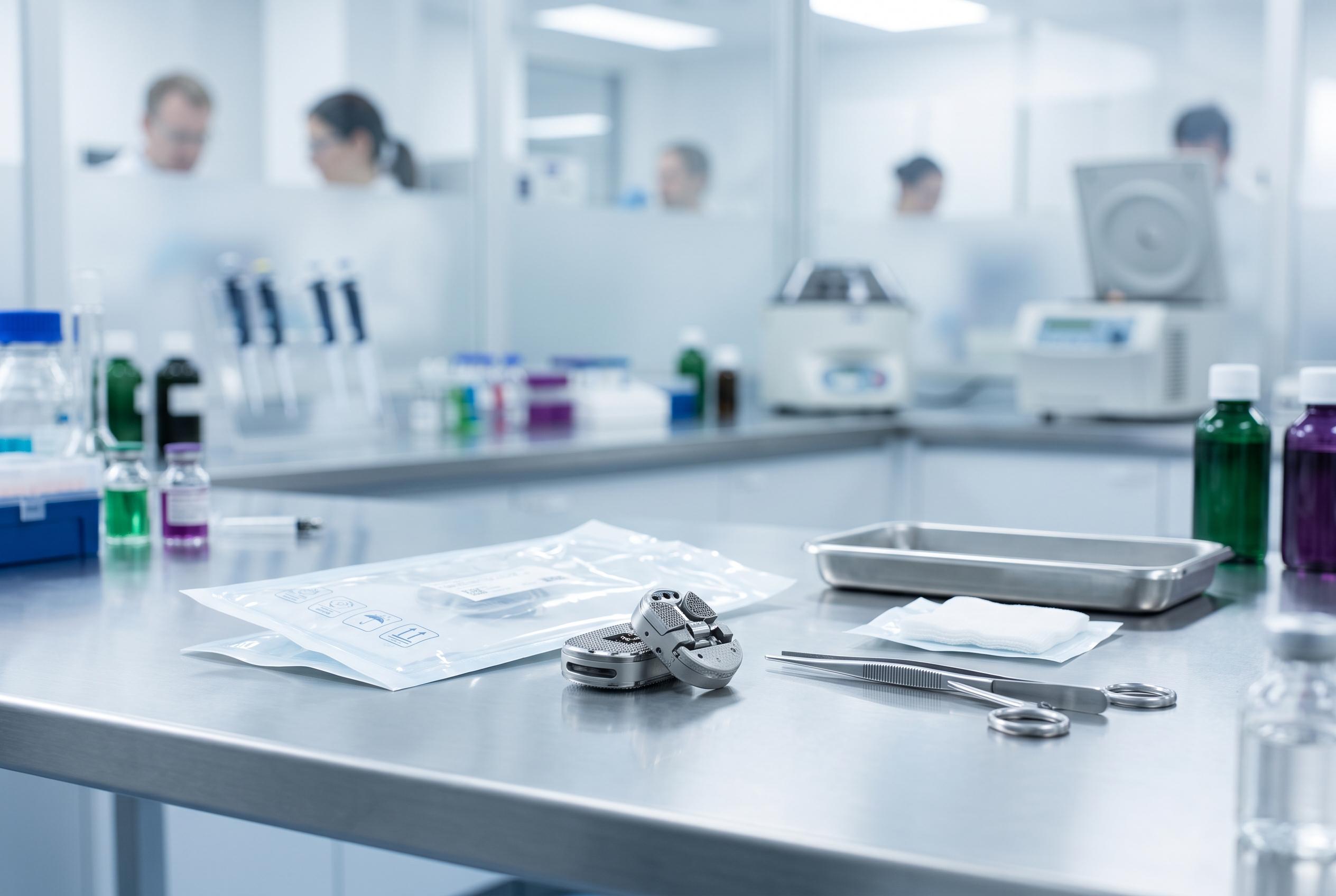

Vivani Medical completes dosing in all 20 participants in its SLIM-1 trial of the NPM-139 implant ahead of schedule, signalling a crucial step towards its anticipated 2026 readout, coupled with a strategic partnership with Novo Nordisk to evaluate long-acting GLP-1 delivery platforms.
Vivani Medical said it had completed dosing in all 20 participants in its SLIM-1 trial of NPM-139 ahead of schedule, a milestone that moves the miniature semaglutide implant closer to a first readout expected in November 2026. The study, running in Australia, is testing low doses of the implant against the starting dose of Wegovy in people who have not previously taken a GLP-1 drug, with researchers looking at safety, tolerability, how the medicine moves through the body and early changes in weight over four weeks.
The company paired that update with a new non-exclusive arrangement with Novo Nordisk, allowing the Danish drugmaker to evaluate NPM-139 and Vivani’s NanoPortal platform. Vivani said the agreement does not block it from pursuing other deals at the same time. Chief executive Adam Mendelsohn said the quarter reflected progress across the business, citing the accelerated development of the lead implant programme, the Novo Nordisk collaboration and a separate merger agreement involving its Cortigent subsidiary.
Vivani has positioned NanoPortal as a way to deliver GLP-1 medicines on a once- or twice-yearly basis while still allowing treatment to be stopped quickly if needed, for example before surgery or during pregnancy. Mendelsohn has argued that the company is developing a rare option in the obesity and diabetes field: a reversible, long-acting implant that could be administered during a routine primary care visit. The company previously won Australian ethics approval to start SLIM-1 and said it was building on its earlier implant work there.
On the financial side, Vivani said cash, cash equivalents and restricted cash totalled $20.8 million at 30 June, up from $17.6 million at the end of 2025, helped by share purchase tranches and a private placement in January. Research and development spending fell to $4.5 million in the second quarter from a year earlier, while general and administrative costs declined to $2.4 million. Net loss narrowed to $6.4 million from $7.1 million a year earlier. The company said it plans to file an investigational new drug application for NPM-139 to support a proposed Phase 2 dose-ranging study in 2027, if the November results are positive.
Disclaimer: This content is for informational purposes only and is not intended to be a substitute for professional medical judgment, advice, diagnosis, or treatment.