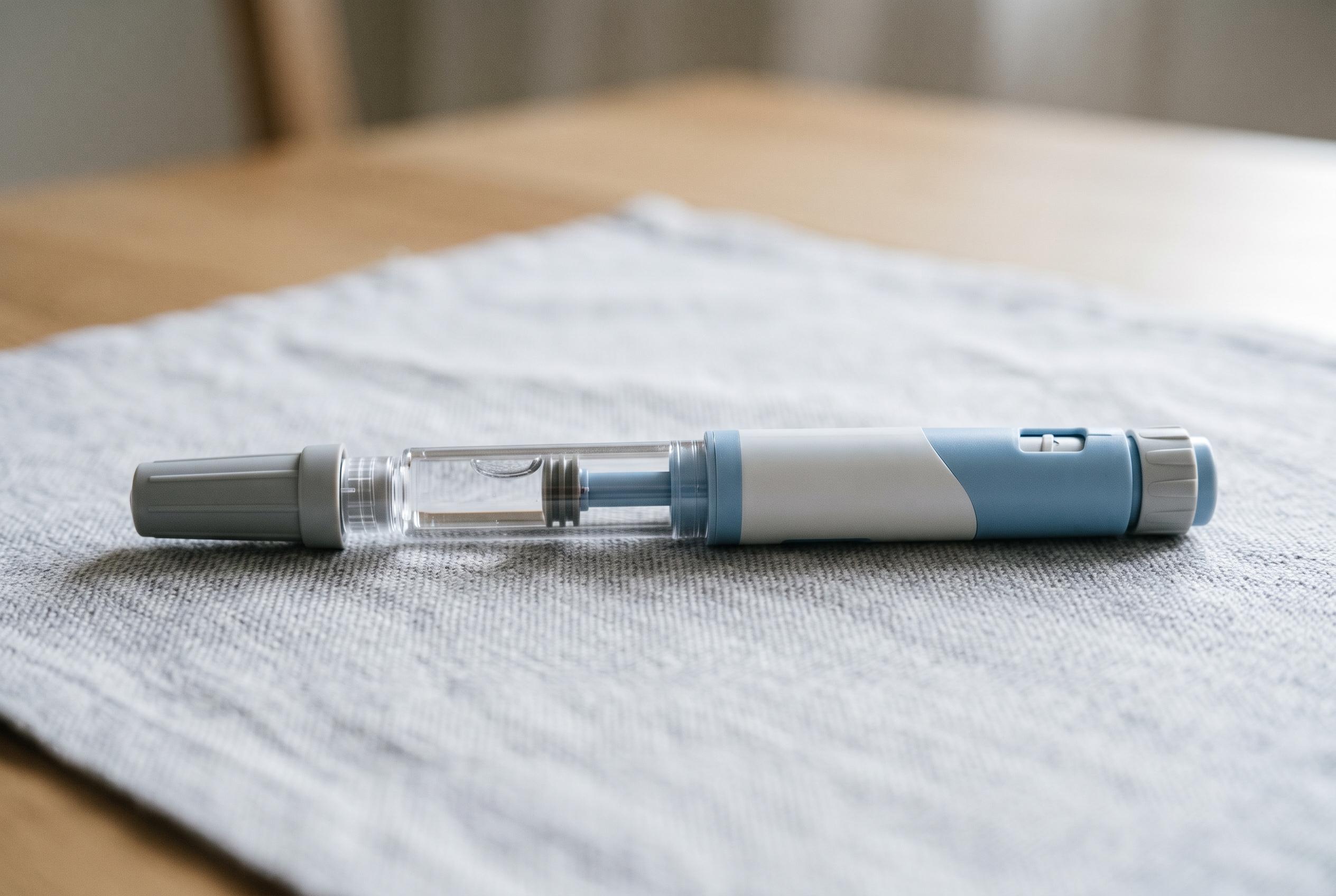

California has distributed over 120,000 affordable insulin pens via its CalRx programme, challenging Big Pharma and seeking to expand access amidst industry pushback and low consumer awareness.
California’s push into the insulin market is starting to move from symbolism to scale, even if slowly. Seven months after launching CalRx, the state says it has distributed more than 120,000 five-pen packs of insulin glargine, priced at $55 each, through pharmacies and wholesalers across California. The product is meant to undercut much higher list prices for name-brand insulin and give patients a cheaper option when they are uninsured, underinsured or caught short by supply problems.
The initiative places California in direct competition with Eli Lilly, Sanofi and Novo Nordisk, which dominate the global insulin market. According to the state’s CalRx website, the insulin glargine pens were developed through a partnership with Civica Rx and Biocon Biologics and went on sale at the start of 2026 at a transparent, fixed price. State officials say the programme is designed not only as an emergency backstop but also as a broader challenge to pharmaceutical pricing by using public purchasing power to expand the supply of lower-cost medicines.
Governor Gavin Newsom has made the effort part of a wider political message about affordability, health care and consumer costs. California has also moved to distribute free naloxone, work on school access to albuterol inhalers and plan future CalRx-branded products, including epinephrine injectables and tuberculosis treatment. Newsom has said he wants to add generic GLP-1 drugs, the class that includes Ozempic and Wegovy, before he leaves office in January. The strategy comes as drug prices remain a major public concern: the federal government reported that the U.S. drug industry cost $467 billion in 2024, while a KFF poll found that six in 10 adults worried about affording prescriptions and four in 10 had tried to cut costs by skipping doses or not filling prescriptions.
Still, the rollout has been limited. State officials say the insulin is available through major distributors, pharmacies, Amazon and Costco, but many patients and even some pharmacists remain unaware it is on the market. California Health and Human Services has also said the state has deals with four health plans, including Anthem Blue Cross, Blue Shield of California, Valley Health Plan and the Federal Employees Health Benefits Programme, to cover the product on formularies. Advocates say broader awareness will matter as much as price if the state wants the drug to reach the people most likely to need it.
Drug industry groups argue the campaign overstates the problem. The Pharmaceutical Care Management Association says out-of-pocket insulin costs have fallen as discounts have expanded, while PhRMA says insurers and pharmacy benefit managers can block cheaper medicines from formularies. Health policy experts quoted by HealthDay say California’s effort may matter most as a signal rather than a market reset, though supporters argue that even a small state-led challenge can push the industry towards clearer pricing and wider access.
Disclaimer: This content is for informational purposes only and is not intended to be a substitute for professional medical judgment, advice, diagnosis, or treatment.